
How Much Does AI Product Photography Cost?
The real numbers behind traditional and AI-powered fashion photography - and how to build the business case for the switch.
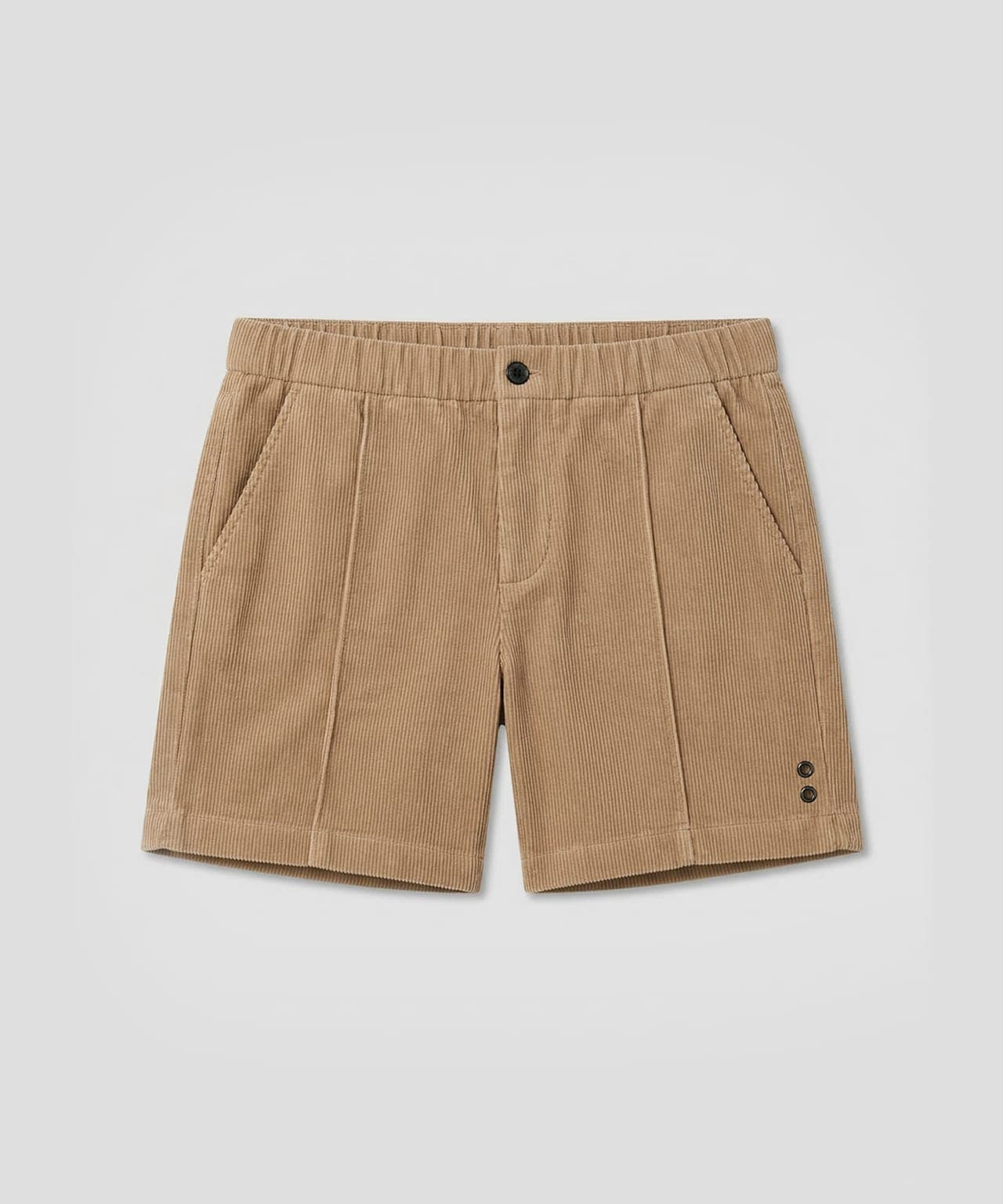
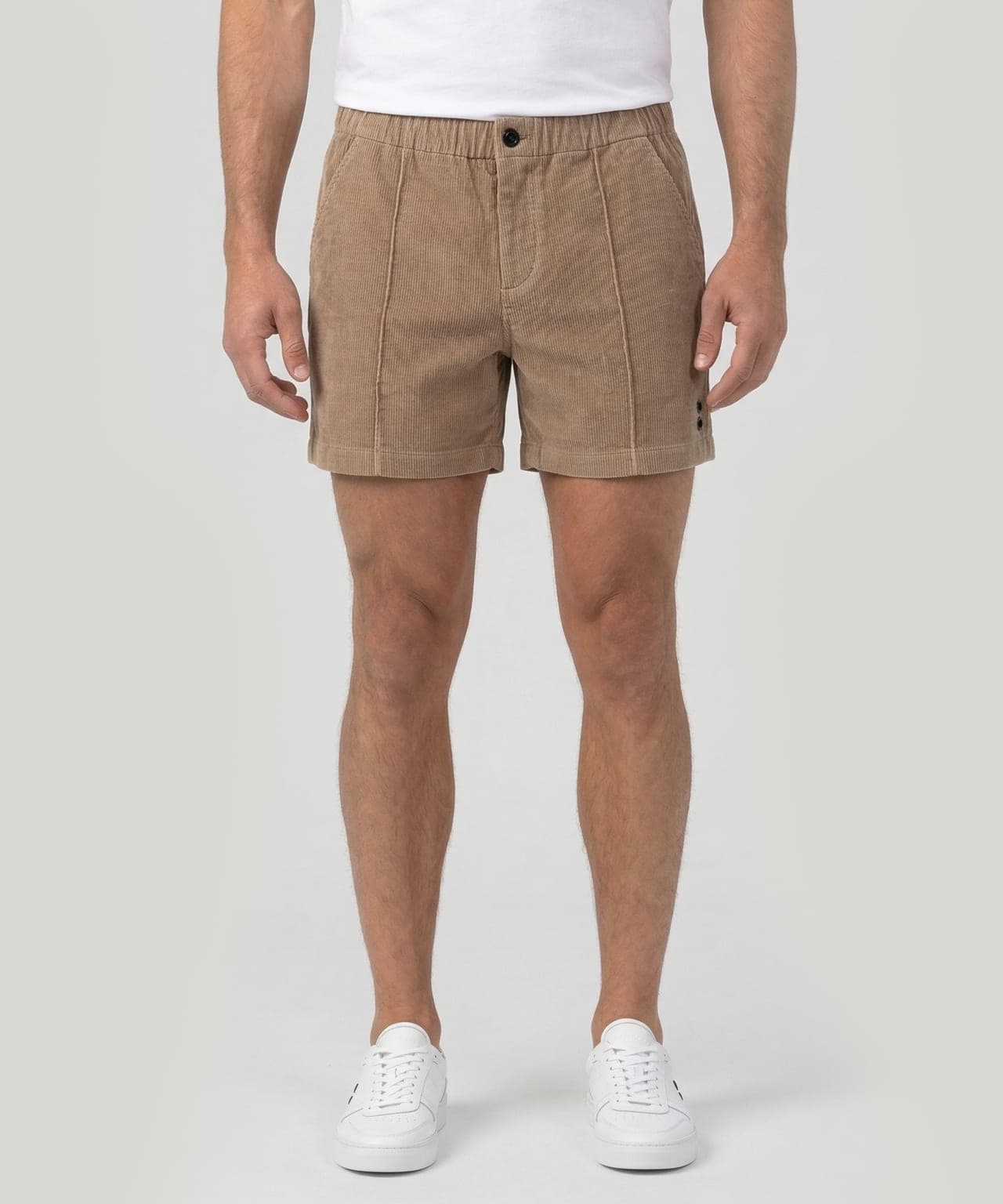
One flat lay in, one finished on-model image out. The cost difference between these two steps is the subject of this guide.
- What does traditional fashion photography actually cost?
- Annual photography spend by catalogue size
- How AI changes the cost curve
- The financial case beyond per-image savings
- The cost reduction math - a worked example
- How to build the business case for AI imagery
- Break-even analysis: when does AI pay for itself?
- How Happy Socks, TWP, and Ron Dorff measured the ROI
- Frequently asked questions
AI product photography ranges from under a dollar per image with self-serve tools to contract-based managed production priced per project and volume. Traditional on-model fashion photography costs $80-250 per image when retouching, studio rental, model fees, shipping, and coordination are included. The initial studio quote covers only part of the real spend - as the cost breakdown below shows, the actual per-image cost typically runs 1.5-2x the quoted rate once all line items are accounted for. For fashion brands evaluating the switch, the financial case goes beyond per-image savings: it includes reduced return rates, faster time-to-market revenue, and freed budget for higher-value creative work.
The stakes are significant. McKinsey estimates that generative AI could add $150 billion to $275 billion in operating profits to the apparel, fashion, and luxury sectors over the next three to five years - with image and content creation as one of the primary deployment areas. Meanwhile, Salsify's 2025 Consumer Research found that 77% of shoppers say product images and videos are extremely or very important when deciding to purchase. The question is no longer whether AI imagery works. It is whether relying only on traditional photography still makes financial sense.
Most brands underestimate what they spend on product photography because the quoted per-image rate excludes half the actual cost. This guide does the full math on AI photography pricing versus traditional production - at three catalogue sizes, across both workflows - and provides a framework for building the internal business case. For a broader overview of how AI product photography works and what the pipeline looks like, see our companion guide.
What does traditional fashion photography actually cost?
Traditional product photography pricing looks simple on paper. A studio quotes $25-75 per image for white-background listing shots, $100-500 for styled lifestyle images, and $150-500 for on-model fashion photography. The numbers are real, but they are only the starting point.
The actual cost of a finished product image includes every cost that sits behind, beside, and after the shoot itself. When studio rental, model fees, hair and makeup, retouching, shipping, and internal coordination are factored in, the effective per-image cost typically runs 1.5-2x the initial quote - as the breakdown below illustrates.
The costs that add up around the quoted rate
A typical one-day studio session costs $2,000-5,000 and yields 30-60 finished images after retouching. That puts the effective cost at $35-165 per image - before shipping, coordination, or any rush fees.
The coordination cost is the one that never appears on any invoice. Each shoot requires briefing, scheduling, sample preparation, art direction on the day, selects review, retouching rounds, and file delivery management. Budget 10+ hours of internal time per shoot. At $75-100/hour loaded cost for a production manager or Head of Ecommerce, that is $750-1,000+ per shoot in invisible internal spend - and for brands running monthly launches, the annual coordination cost alone can exceed $10,000-15,000.
Annual photography spend by catalogue size
Most fashion brands have never calculated what they actually spend on product photography in a year. The number is almost always higher than expected because annual image needs multiply fast once you account for seasonal refreshes, colorway variants, and platform-specific crops.
A brand with 200 SKUs does not need 200 images. It needs 5-6 images per SKU (front, back, detail, lifestyle, on-model), two seasonal refreshes covering 30-40% of the catalogue, color variants for 20-30% of products averaging 3-4 colorways each, and platform-specific crops for Amazon, Shopify, social, and wholesale. The real annual image count for a 200-SKU brand is typically 2,000-4,000 images.
Accounting for all the hidden costs modeled in the previous section - not just the quoted per-image rate - annual photography spend adds up fast. At 50 SKUs, the bill is manageable but still higher than most small brands expect. At 500 SKUs, photography becomes one of the larger line items in the marketing budget. At enterprise scale, most brands maintain in-house studios with full-time staff, which carries $200,000-400,000 in fixed overhead before a single image is produced.
The practical effect is hard to overstate. AI production can greatly reduce imagery costs, compress production timelines from months to days, and free up budget and team capacity for higher-value creative work. Just as importantly, it makes possible what simply was not before: on-model imagery for every SKU, video on every product page, and seasonal refreshes without a reshoot - at a total cost no traditional workflow can approach.
The critical difference between traditional and AI cost structures is how they scale. Traditional photography costs move roughly in step with catalogue size - double the SKUs, double the spend. AI pricing is subscription-based or contract-based, so the marginal cost of each additional image approaches zero. The gap between the two models widens with every SKU added.
How AI changes the cost curve
AI product photography does not simply reduce the per-image price. It changes the relationship between catalogue size and total spend. Traditional photography has a linear cost curve - every additional image carries the same marginal cost in shooting, retouching, and coordination. AI photography pricing works differently: subscription or contract models where the marginal cost per image decreases as volume increases.
This structural difference matters most at scale. A brand producing 500 images per year saves money with AI. A brand producing 5,000 images per year saves an order of magnitude. And a brand producing 30,000+ images per year eliminates a cost category that previously required dedicated staff and infrastructure.
Self-serve vs managed: when higher per-image is actually cheaper
Self-serve AI tools ($8-100/month) offer the lowest per-image cost - often under $1 per image. But per-image cost is not total cost. Running a self-serve tool requires someone on the team to upload garments, configure settings, review output, request regenerations, and manage file delivery. At 50 images per month, that overhead is manageable. At 500+ images, it becomes a part-time role.
Managed production (like Setset's managed service) costs more per image but dramatically reduces the internal operating burden. The brand hands off garment inputs and receives finished, QC-approved assets - though some coordination is still needed for briefing, approvals, and feedback. For brands without spare capacity on the production team, managed production often ends up costing less than a cheap self-serve tool once internal time is factored in.
A self-serve tool looks cheap on paper - the subscription is a rounding error next to a single studio day. But someone still has to upload garments, configure each shot, review output, request regenerations, and manage file delivery. At catalogue volume, a few minutes per finished image compounds into a meaningful share of a full-time role - and that person's time has real opportunity cost.
A managed service covers the same volume under a contract and reduces the internal workload to briefing, approvals, and feedback. The right choice depends on whether the brand has spare operating capacity or not.
For a full overview of how AI photography platforms differ and how to choose between self-serve and managed, see our complete guide to AI product photography.
The financial case beyond per-image savings
Per-image cost reduction is the most visible benefit of AI product photography, but it is not the largest. The full financial case includes four revenue and cost drivers that most business cases undercount or miss entirely.
Return reduction
Product returns are one of the largest hidden costs in fashion ecommerce. The NRF's 2025 Retail Returns Landscape report puts total retail returns at $849.9 billion, with 19.3% of online sales returned. Reducing return rates is retailers' top priority heading into 2026.
The connection between imagery and returns is direct. Salsify's 2025 Consumer Research found that 71% of shoppers have returned a product because it didn't match the online listing. BigCommerce reports that 22% of returns happen specifically because the product looked different in person. Clothing consistently carries the highest return rates in online retail - typically 20-30%, and higher for luxury fashion.
Better product imagery directly reduces this cost. When AI generates images that accurately represent the garment - correct color, true-to-life fabric texture, realistic fit on a model - the gap between expectation and reality narrows.
Conversion improvement
Salsify's 2026 Consumer Research found that 61% of shoppers say product images and videos are the single biggest factor in whether they complete a purchase - ranking higher than descriptions, reviews, and pricing. BigCommerce data shows that professional photography drives 75% higher conversions, and shoppers are 3x more likely to buy when they can see products from multiple angles.
The implication for AI product photography is not just that AI is cheaper - it is that AI makes professional-quality imagery economically viable for every SKU in the catalogue, not just the top sellers.
That data covers consumer products broadly, not fashion specifically - but the gap it reveals is directional: most brands are underserving shoppers with too few images and too little video. 91% of businesses now use video as a marketing tool - but “using video for marketing” (ads, social, brand content) is very different from having video on every product detail page. The 15% PDP figure reflects how hard it has been to produce product video at catalogue scale. AI changes that equation.
Before AI, most mid-market fashion brands rationed on-model photography. The top 20-30% of SKUs got professional on-model shots. The remaining 70-80% went to market with flat lay images or no imagery at all. AI changes that math - when on-model imagery costs a small fraction of the traditional $80-250 per SKU, every product gets the treatment that drives conversion.
Speed-to-market revenue
Traditional fashion photography operates on a 3-4 month timeline from design file to final assets because physical samples must be manufactured, shipped to the studio, photographed, and retouched. AI compresses that to days.
The financial impact of that compression is harder to quantify but consistently cited by brands that have made the switch. Finishing imagery closer to launch means later ordering decisions, which means lower inventory risk. It means the ability to respond to trends with new imagery in days rather than months. And it means products reach the market with finished visual assets weeks or months earlier than competitors still waiting for studio shoots to complete.
Budget reallocation
Brands that significantly reduce PDP photography costs do not typically pocket the savings. They reinvest into areas that were previously too expensive alongside catalogue work: higher-quality hero shoots with better locations and talent, video content for product pages and social channels, editorial campaigns that build brand equity rather than just fill listings, and A/B testing of visual assets at a scale that was previously unaffordable.
The shift is from spending the majority of the photography budget on necessary-but-undifferentiated catalogue work to spending it on creative work that actually builds the brand.
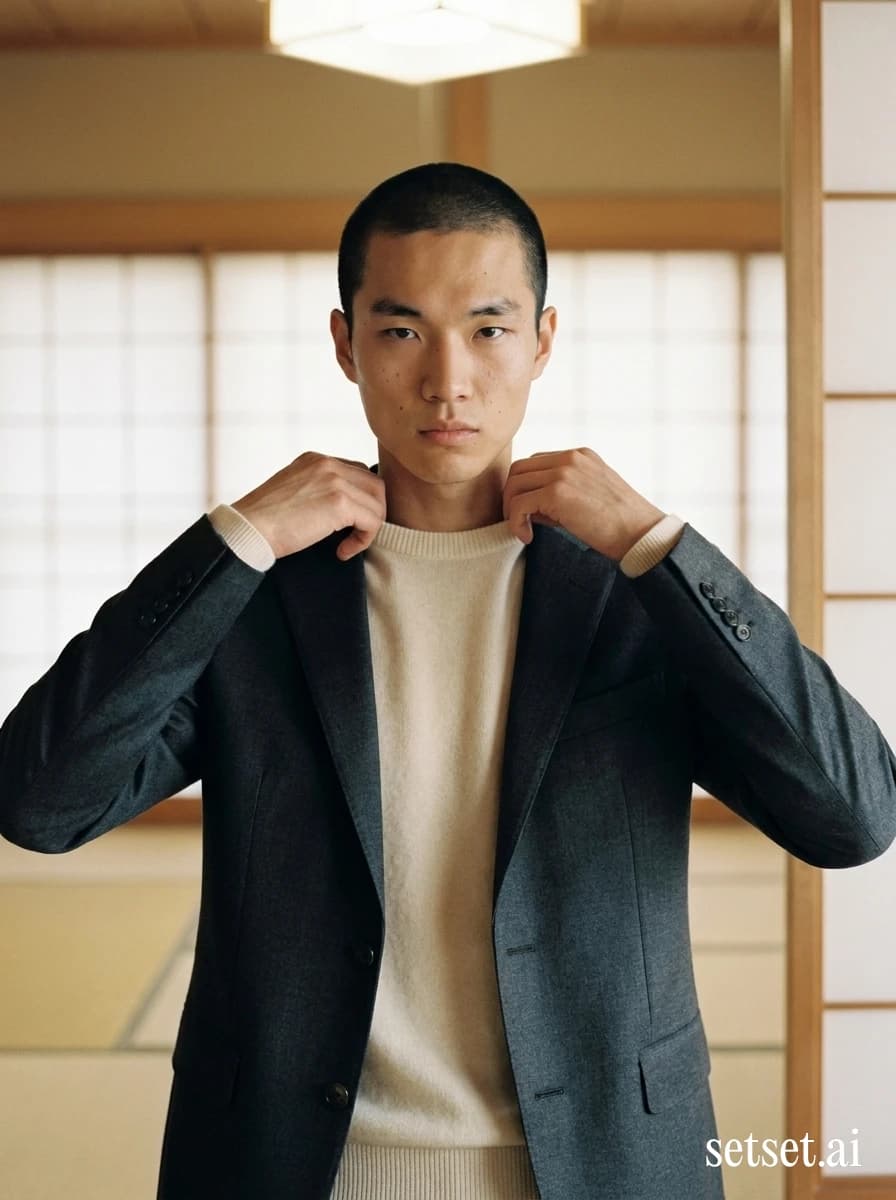
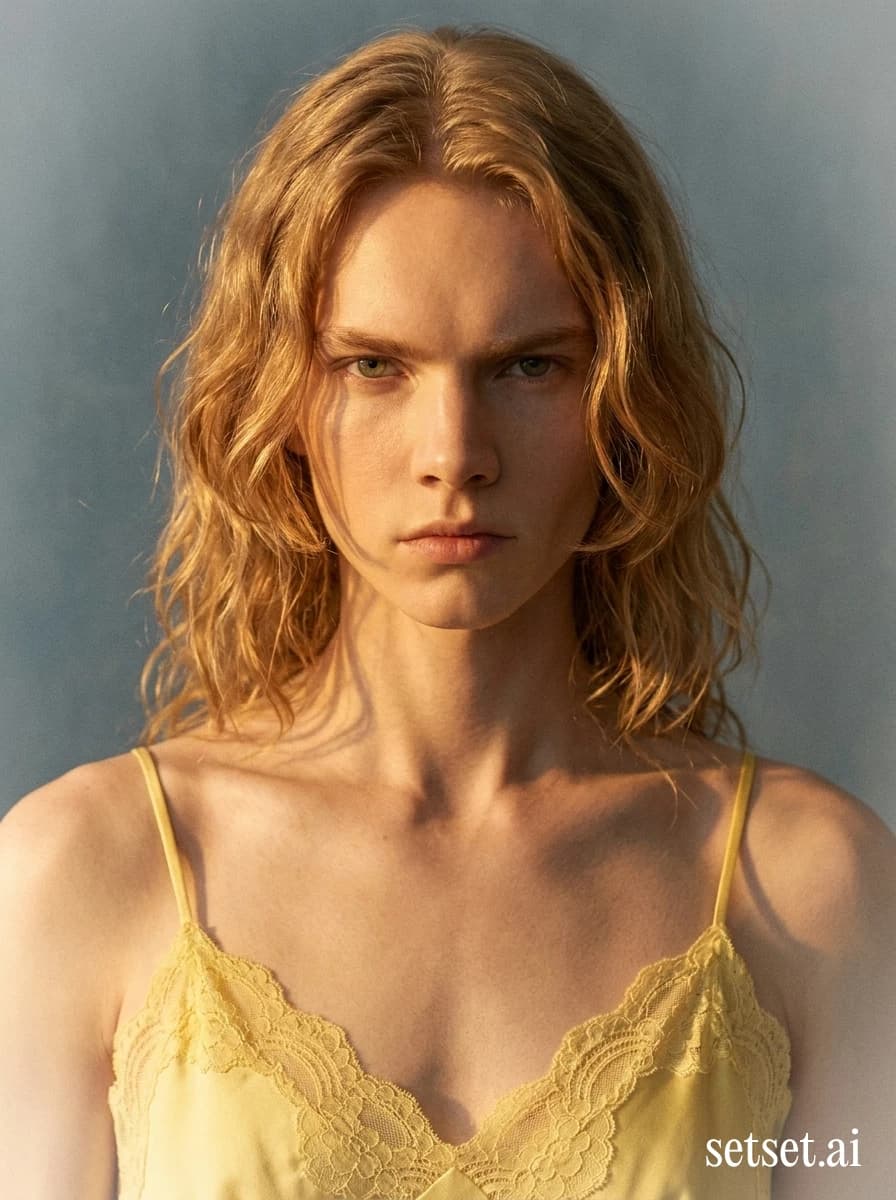
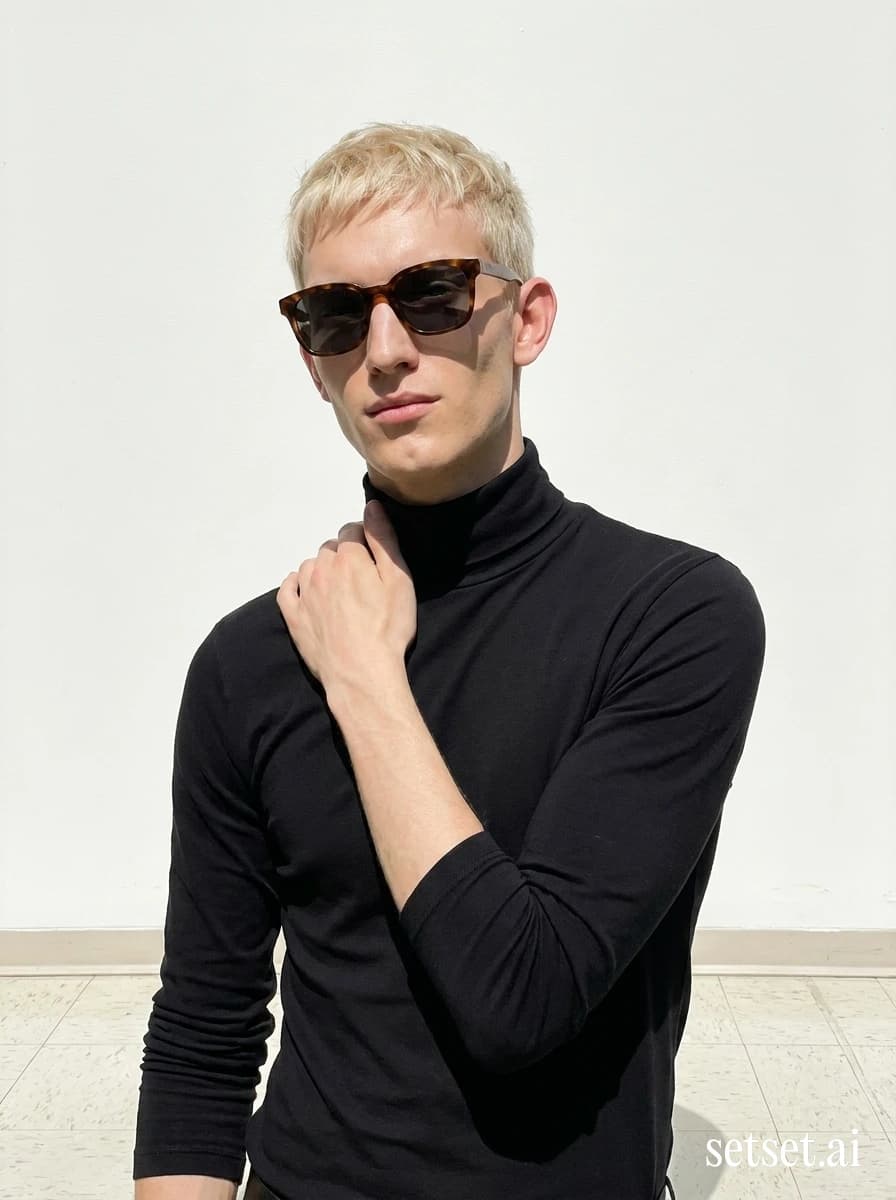
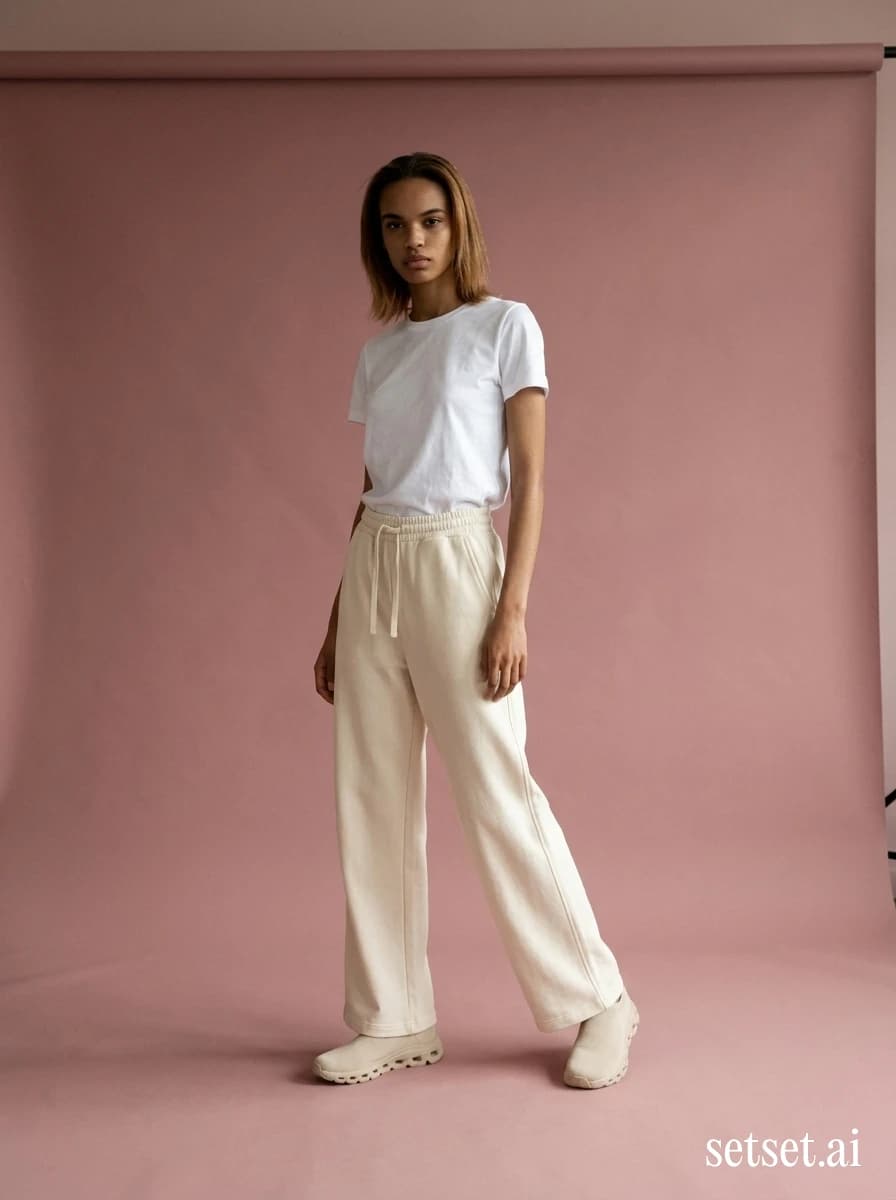
AI production at catalogue scale: consistent quality across editorial, studio, and lifestyle settings.
The cost reduction math - a worked example
How much can a brand actually save? The answer depends on catalogue size, current production model, and how much existing imagery can serve as AI input. Here is a worked example for a 500-SKU mid-market fashion brand producing approximately 5,000 on-model images per year.
Example model: 500-SKU mid-market fashion brand producing ~5,000 on-model images per year. Traditional costs reflect mid-to-upper market rates for fashion-focused studios and talent. Managed AI costs are contract-based and vary by volume and inputs, so they are expressed as a reduction range rather than a fixed figure. Brands with larger catalogues see wider savings; smaller brands see a bigger relative impact on their budgets.
The savings come from every line item, not just one. Model fees, studio rental, hair and makeup, shipping - these cost categories drop away. Retouching is replaced by built-in AI processing and human quality control. Coordination time drops significantly because the review workflow moves from scattered email threads and file transfers to a single platform. The total reduction in this example ranges from roughly 27% to 70% depending on the managed service contract and whether the brand already has usable flat lay input imagery.
This is one example at one catalogue size. For larger brands - 1,000+ SKUs - the gap widens because traditional costs scale linearly while managed AI costs flatten. For smaller brands with tighter budgets, the absolute savings may be smaller but the relative impact can be bigger: freeing $20,000-30,000 from photography can fund an entire season of additional marketing or content investment.
How to build the business case for AI imagery
The data supports the switch, but data alone does not get a project approved. McKinsey projects $150-275 billion in additional operating profits for fashion and luxury from generative AI - with image creation as a primary use case. That is the macro case. The micro case - the one that gets budget approved - requires speaking to three different stakeholders in their own language.
For the CFO: total cost and payback period
Lead with total annual spend reduction, not per-image savings. The per-image number sounds incremental. The annual number sounds strategic. “We spend ~$200,000 per year on product photography. We can cut that by 30-70% while producing more images” is a different conversation than quoting a per-image saving.
Include the time savings in dollar terms. If the production team spends 250 hours per year on photography coordination at $75-100/hour, that is $18,750-25,000 in recaptured capacity. Frame the payback period clearly: for managed production, the break-even typically occurs within the first season, and savings compound from there.
For the Creative Director: quality parity and creative control
The Creative Director's concern is not cost - it is whether AI output meets the brand's visual standard. Address this with evidence, not promises. Request a paid test batch: 20-30 images across the brand's most demanding product categories. Test the output in context - placed on the actual PDP, in the actual grid, next to the brand's existing imagery.
Emphasize creative control mechanisms. Art-direction-based platforms like Setset use visual styling references rather than text prompts - the same way a Creative Director briefs a real shoot. Curated AI fashion model rosters with persistent, brand-exclusive identities address the consistency concern that generic AI tools cannot solve.
For the Head of Ecommerce: conversion and speed
The Head of Ecommerce cares about two things: does the imagery convert, and how fast can the team get it live. A/B testing across production clients shows AI-generated product images convert at parity with traditional studio photography. The average ecommerce conversion rate sits at 2.5-3% - and product imagery is consistently identified as the primary conversion lever when customers cannot physically interact with the product. The speed case is equally compelling - imagery in days instead of months means products launch with full visual assets from day one, not weeks after the listing goes live with placeholder images.
The measurable single-digit conversion lift seen when AI-generated video is added to static product pages is a standalone win that does not require replacing any existing photography. It is often the easiest entry point for brands that are cautious about switching their core imagery workflow.
Scope: 30-50 SKUs across 3-4 product categories, including your most complex garments. Not just t-shirts.
Duration: One production cycle - typically 2-4 weeks for managed production.
Metrics: Image quality assessment (blind comparison against traditional), conversion rate (A/B test AI vs traditional on matching PDPs), time from garment input to live listing, and internal hours spent.
Decision point: If the pilot shows quality parity and measurable time/cost savings, expand to full catalogue next season.
Break-even analysis: when does AI pay for itself?
The break-even point depends on current photography spend, catalogue size, and which AI model a brand adopts. Here is how the math works for each approach.
Self-serve tools
At $30-100 per month, self-serve AI photography tools pay for themselves almost immediately - the subscription cost is less than a single traditional product photograph. The real break-even question is not cost but capacity: does the team have the bandwidth to operate the tool? If the answer is yes, the financial return is near-instant.
Managed production
Managed AI production (annual contract, priced by volume) breaks even against traditional photography at roughly 100-200 SKUs per season. Below that volume, the annual contract cost may exceed what a brand spends on traditional photography. Above that volume, managed production saves money on every additional SKU - and the gap widens with scale.
For a mid-market brand producing 500 SKUs per season, managed AI production typically cuts total photography spend by 30-70% in the first year compared to traditional photography, depending on the brand's existing production model and the managed service contract.
Can you afford to wait while competitors move?
Break-even analysis models the cost of switching. It rarely models the cost of standing still. Every season a brand continues with traditional-only photography at scale, it pays the full legacy cost while competitors who have adopted AI operate at 27-70% lower imagery costs. Some are testing the waters with a pilot batch. Others have jumped in fully, running entire catalogue seasons through managed AI production. Either way, the cost advantage they build each season funds more content, more channels, and more creative investment - widening the gap.
Forrester names generative AI for visual content as one of its top 10 emerging technologies, predicting that within three to seven years, scaled adoption of generative AI will become a prerequisite for competitive content creation. Baymard Institute research shows that 52-64% of ecommerce sites currently have mediocre or worse product page UX - which means most brands are underperforming on the exact visual content that drives conversion. AI closes both the cost gap and the quality gap simultaneously.
How fashion brands measured the ROI
Three brands at different scales illustrate different dimensions of the financial case.
Happy Socks: volume economics at catalogue scale
Happy Socks moved its full PDP catalogue production to Setset - approximately 1,500 products generating 7,000 images per year. At traditional on-model rates ($80-250 per SKU), that volume represents $120,000-375,000 in annual photography spend before accounting for hidden costs.
The cost reduction is significant, but Happy Socks consistently points to timeline compression as the larger financial win. Traditional production required 3-4 months per season for sample manufacturing, shipping, studio shoots, and post-production. AI compresses that to days. The financial impact of that speed is that merchandising decisions - which products get photographed, which get cut, which get priority placement - can happen weeks closer to launch. Later decisions mean better data, which means lower inventory risk and fewer markdowns on products that underperform.
TWP Clothing: the mid-market on-model gap
TWP moved 200 SKUs through AI product photography and achieved approximately 70% cost savings compared to their traditional on-model workflow. The savings are material, but the more interesting financial story is what those savings unlock.
Before AI, TWP - like most mid-market brands - could not justify on-model photography for every SKU. The cost per image made it uneconomical except for bestsellers and key seasonal pieces. The remaining products went to market with flat lay images only. AI closes that gap. When on-model imagery costs a fraction of traditional rates, every product gets the visual treatment that drives conversion - not just the ones that already sell well.
Ron Dorff: budget reallocation from catalogue to campaign
Ron Dorff uses Setset for standard catalogue production, but the financial story is about what happened to the freed budget. The savings on PDP imagery funded a full campaign suite - “Fearless Summer,” styled as a 90s Ibiza editorial - produced entirely through AI. The campaign ran in Women's Wear Daily, Daily Front Row, and L'Officiel.
This represents a shift in how the photography budget works. Instead of spending the majority on necessary-but-undifferentiated catalogue images, Ron Dorff allocated the savings to brand-building creative work that generated press coverage and market positioning. The total photography budget did not increase - it was redistributed from low-value volume work to high-value brand work.
Setset also produces for luxury fashion brands under NDA, where managed production with brand-exclusive creative control is a requirement. The financial case at luxury scale follows the same pattern - cost reduction on volume work funds investment in creative work that differentiates the brand.
Frequently asked questions
How much does a single fashion product photography session cost?+
A one-day fashion studio session costs $2,000-5,000 all in, including photographer fees ($1,000-3,500/day), studio rental ($300-1,000/day), and basic styling. Per-image rates range between $50 and $350. A full session typically yields 30-60 finished images after retouching, putting the effective cost at $35-165 per image. With models, hair, and makeup, expect closer to $2,750 for 60 final images. These numbers exclude shipping, coordination time, and rush fees, which can add 30-50% to the total.
What is the break-even point for switching to AI product photography?+
For self-serve tools ($30-100/month), the break-even is near-instant - the monthly cost is less than a single traditional product image. For managed production (annual contract), break-even against traditional photography occurs at approximately 100-200 SKUs per season. Below that volume, managed production may cost more than traditional. Above it, savings compound with every additional SKU.
Should my brand use self-serve or managed AI production?+
It depends on volume and team capacity. Self-serve tools have the lowest per-image cost but require someone to operate them - uploading, configuring, reviewing, and managing output. At 50 images per month, that is manageable. At 500+, it becomes a part-time role. Managed production costs more per image but dramatically reduces internal operating time - you still handle briefing, approvals, and feedback, but the heavy production work is off your plate. If your team is already stretched, managed production may cost less than a cheap self-serve tool once internal hours are priced in.
How do I pitch AI product photography to my leadership team?+
Lead with total annual spend, not per-image savings. Calculate your current all-in photography cost (shooting + retouching + studio + models + shipping + coordination time + rush fees), then model the same volume through AI. For the CFO, frame the payback period and annual savings. For the Creative Director, propose a paid test batch of 20-30 images across your most demanding product categories. For the Head of Ecommerce, cite conversion parity data and the speed advantage. A structured pilot is the strongest proof point.
How do product return rates change with better imagery?+
Research shows 71% of shoppers have returned a product because it didn't match the online listing. 22% of returns happen specifically because the product looked different in person. The NRF reports 19.3% of online sales are returned, totaling $849.9 billion across retail. Better product imagery - accurate color, realistic fabric texture, true-to-life fit - narrows the gap between expectation and reality. Even a 2-3 percentage point reduction in return rate translates to significant savings: for a brand with $5 million in online revenue and a 25% return rate, reducing returns to 22% saves approximately $150,000 per year.
Can we start with a small pilot before committing?+
Yes, and you should. A strong pilot covers 30-50 SKUs across 3-4 product categories, including your most complex garments. Run it for one production cycle (2-4 weeks for managed production). Measure image quality with a blind comparison against traditional photography, conversion rates via A/B testing on matching PDPs, time from garment input to live listing, and internal hours spent. Setset offers a free tier through Studio for self-serve testing, or you can schedule a demo to discuss a managed pilot.
What does the first-year total investment look like for switching to AI?+
For self-serve, the first-year investment is $360-1,200 in subscription costs plus internal team time to learn and operate the tool. For managed production, the first-year investment is an annual contract (volume-dependent) plus the time to establish art direction references and review workflows. Most brands report that the transition period - from first test batch to full production confidence - takes 1-2 production cycles. First-year reductions of 30-70% of existing photography spend are typical for mid-market brands, depending on catalogue size and current production model.