
The Complete Guide to AI Product Photography for Fashion
What changes when a fashion brand replaces its photo studio with an AI production pipeline - and what stays the same.
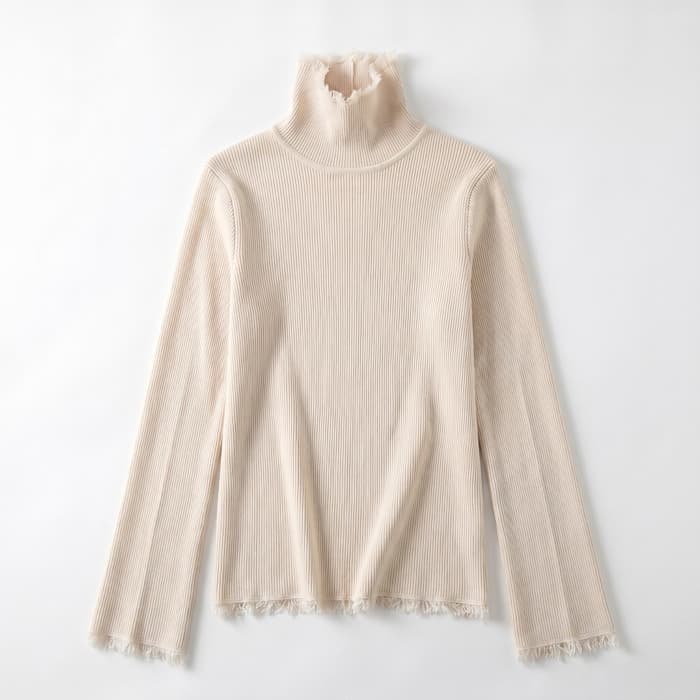
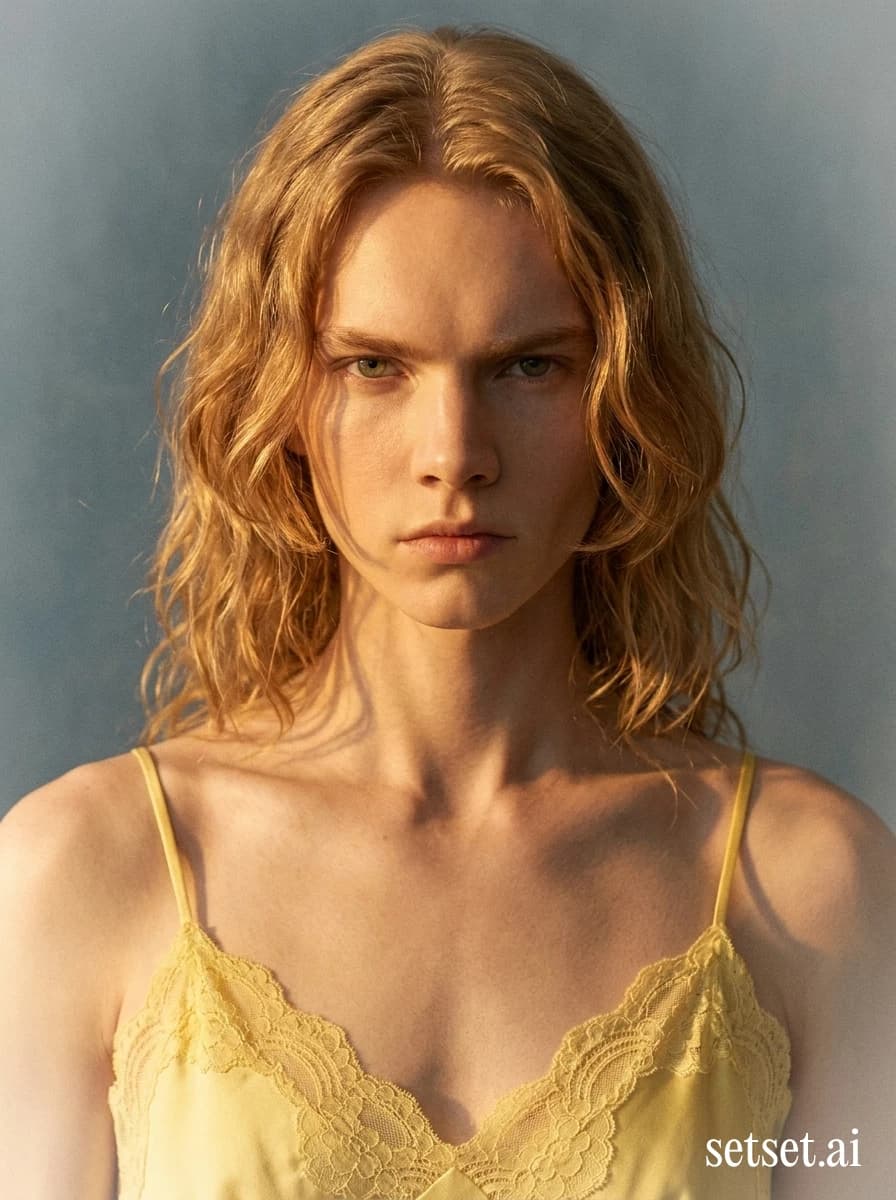
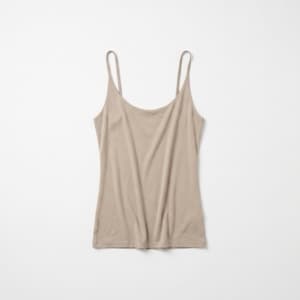
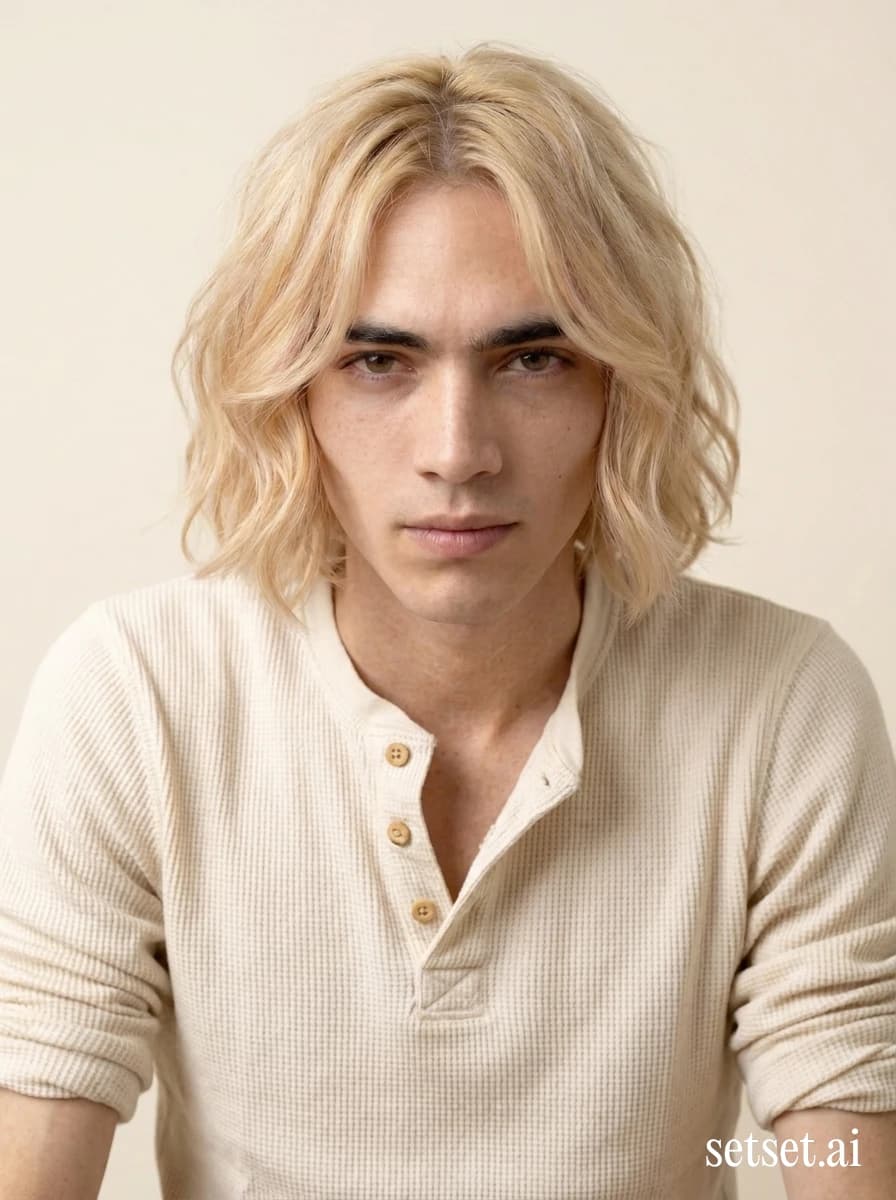
Left to right: garment inputs and their AI-generated on-model outputs.
- What is AI product photography?
- What does the AI photography production pipeline look like?
- How much does AI product photography cost?
- When should fashion brands shoot vs generate?
- How does AI product photography quality hold up?
- What does the AI product photography tool landscape look like?
- Checklist: how to evaluate an AI product photography platform
- How Happy Socks, Ron Dorff, and TWP use AI product photography
- Frequently asked questions
AI product photography is a production method that uses artificial intelligence to generate ecommerce-ready product images - on-model shots, lifestyle scenes, and video - from garment inputs like flat lays, ghost mannequin photos, or design files. It replaces the most resource-heavy stage of fashion production: the photo shoot itself. The AI product photography market is projected to grow from approximately $450 million in 2024 to $5 billion by 2035 - a compound annual growth rate near 24.5%.
The cost case is clear. A traditional on-model ecommerce shoot costs $80-250 per SKU when you factor in model booking, studio rental, styling, shooting, and retouching. AI production brings that into single-digit USD at scale.
The timeline case is equally compelling. Traditional fashion photography takes 3-4 months from design file to final assets, because physical samples have to be manufactured, shipped, and physically shot. AI compresses that to days - and for brands working from design files, finished imagery can exist before a single garment has been sewn.
The conversion case is emerging. A/B testing across production clients shows AI-generated product images perform at parity with traditional photography. Adding AI-generated video to static product pages delivers a 4% ecommerce conversion lift - turning existing image assets into a measurable revenue driver.
This guide walks through the full AI product photography workflow from a production standpoint: what the pipeline looks like, what it actually costs at different volumes, when traditional photography still makes more sense, and how to evaluate whether a tool or a production partner fits your operation.
What is AI product photography?
AI product photography is the use of generative AI to produce commercial product images without a traditional photo shoot. The technology takes a product input - typically a photograph of the garment on a flat surface or mannequin - and generates finished imagery showing the product worn by a photorealistic human figure, in a styled setting, with professional lighting and composition.
The term covers a spectrum of complexity. At the basic end, AI product photography tools swap backgrounds, enhance lighting, or remove mannequins. At the production end, platforms generate complete on-model imagery from scratch: the garment is virtually dressed onto an AI-generated model in a fully art-directed scene, producing images that go directly to ecommerce PDPs and marketing channels without manual retouching.
For fashion brands, AI product photography matters because fashion is the most photographed product category in ecommerce. The on-model component - generating photorealistic AI fashion models that wear the garments - is a critical part of the pipeline and covered in depth in our companion guide. A brand with 500 SKUs and 4-6 images per SKU needs 2,000-3,000 product images every season. That volume traditionally requires multi-day studio shoots, rotating model casts, and weeks of post-production. AI reduces that to a pipeline where garment inputs go in and finished assets come out - with the studio, the models, the lighting, and the retouching all handled computationally.
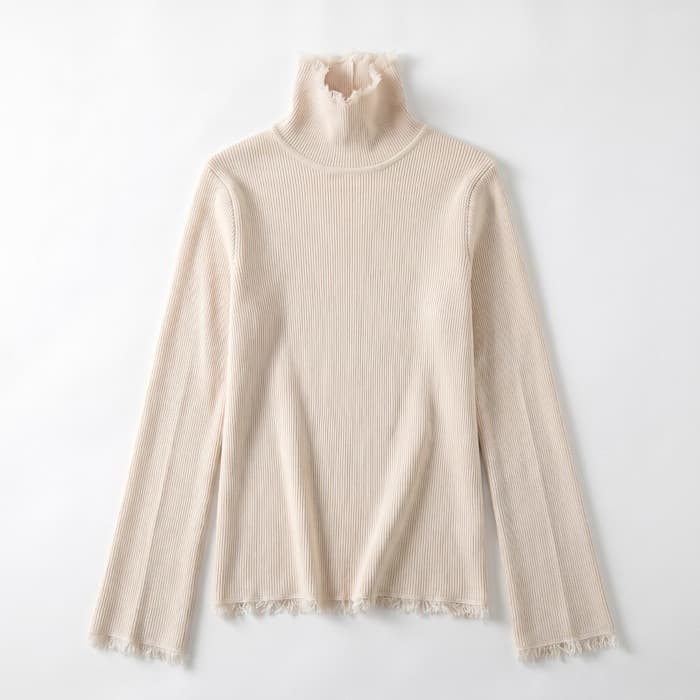
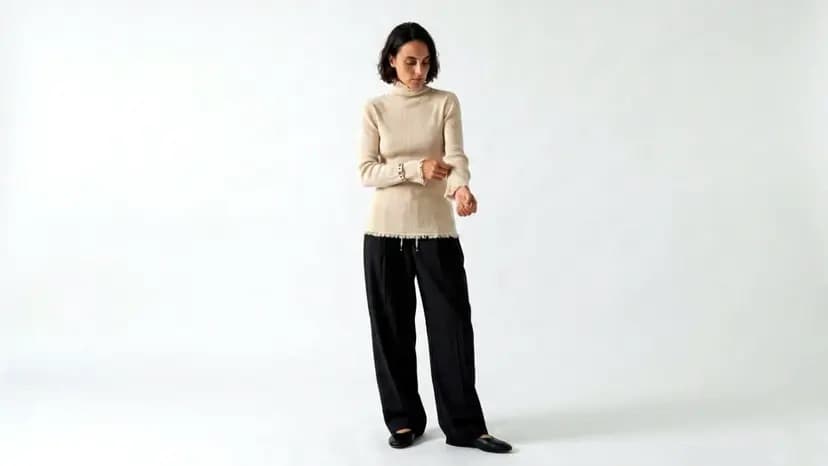
The core workflow: a flat lay goes in, a finished on-model product image comes out.
What does the AI photography production pipeline look like?
The AI product photography pipeline mirrors a traditional studio workflow - garment preparation, shooting, and post-production - but each stage is handled differently. Understanding the pipeline matters because the quality of the final image depends on decisions made at every step, not just the generation model.
Input: what you provide
Most platforms require a clean product photograph as the starting point. Ghost mannequin photos, flat lays, and packshots on white or neutral backgrounds produce the best results. Image resolution of 1,000px or wider is standard. The input quality directly affects output quality - a poorly lit flat lay with visible wrinkles produces a lower-grade result than a clean, properly steamed garment shot on a lightbox.
Some production platforms accept broader input types. Setset also takes design files directly, removing the need for any physical photography before generating on-model imagery. This is the workflow that lets brands produce finished ecommerce assets before physical samples exist.
Processing: what happens to the garment
The AI analyzes the garment image to extract every production-critical detail: fabric texture, color, pattern repeat, construction lines, hardware placement, and garment category. This analysis determines how the fabric will behave on a body - how a cotton jersey drapes differently from a silk charmeuse, how a structured blazer shoulder holds its shape versus how a linen shirt collapses under gravity.
This is the stage where platform quality diverges most sharply. Budget tools process the garment as a flat texture overlay. Production-grade platforms model the garment as a three-dimensional object with fabric physics, which is why the same blazer input can look photorealistic on one platform and like a paper cutout on another.
Generation: scene, model, and composite
The platform creates the scene: model figure, pose, lighting, and background. Self-serve tools handle this through text prompts or preset templates. Setset uses art direction and visual styling references - the same way a creative director briefs a real shoot - which eliminates the prompt engineering bottleneck that slows down self-serve workflows at volume.
The garment is virtually fitted onto the model with calculated drape, shadow, and light interaction. The final composite is rendered at production resolution - typically 3,000-4,000px on the long edge for ecommerce compliance.
Output: what you receive
Self-serve tools deliver raw generated images for the user to review and download. Managed production adds human quality control: color accuracy checks against the physical garment, retouching passes for edge artifacts, and approval workflows. Setset's Vault review platform lets brands approve, annotate, or request revisions on individual images before final delivery - replicating the feedback loop of a traditional studio but without the reshoot overhead.
How much does AI product photography cost?
AI product photography pricing falls into four tiers, each serving a different production reality. The right tier depends on volume, quality requirements, and whether the brand has internal capacity to operate a tool or needs a partner to run the production.
For comparison, a traditional on-model ecommerce shoot runs $80-250 per SKU at standard industry rates. That includes model booking, studio rental, styling, shooting, and retouching. At 1,000 SKUs, traditional photography costs $80,000-250,000. The same volume through managed AI production costs $10,000-25,000. Through self-serve tools, $1,000-3,000.
The per-image price is only part of the cost equation. Traditional photography carries structural costs that AI eliminates entirely: sample shipping and handling, model agency fees and usage rights, travel and location permits, studio booking and equipment rental, and the scheduling overhead of coordinating all of these across a 3-4 month production calendar.
Both matter. The cost savings are significant on their own, but brands that have made the switch consistently point to timeline compression as an equally important win. Producing imagery in days instead of months changes how a brand plans seasons, responds to trends, and manages inventory risk.
There is also an opportunity cost that rarely appears in budgets. Traditional production timelines mean brands photograph garments 3-4 months before launch. AI production timelines mean imagery can be produced days before launch - or even before physical samples exist. That speed advantage translates to later ordering decisions, lower inventory risk, and the ability to produce imagery for trend-responsive collections that would miss a traditional shoot calendar entirely.
When should fashion brands shoot vs generate?
The question is not whether to adopt AI product photography but which images to generate and which to shoot. With 67% of leading ecommerce operators already budgeting for AI imaging tools, most brands that have successfully integrated AI production use a hybrid model where the technology handles volume work and traditional photography handles brand-defining moments.
Generate: production imagery at volume
AI product photography is strongest for the images that make up the bulk of a fashion brand's visual output: standard PDP ecommerce shots (front, back, detail on a model against a clean background), wholesale catalogue pages requiring absolute consistency across hundreds of SKUs, colorway and size variants of the same garment, marketplace listings where speed to market matters more than hero-level creative, and seasonal refresh imagery for returning styles that do not justify a new shoot.
This category represents 80-90% of the images a fashion brand produces in a year. It is also the category where the economics of traditional photography are hardest to justify - high volume, standardized output, tight deadlines, and diminishing creative returns on the 400th PDP shot of the season.
Shoot: hero imagery and brand moments
Traditional photography still earns its cost for hero campaign imagery that defines a season's visual identity, lookbook editorials where spontaneity and physical presence carry brand energy, content that features real people as part of the brand story (ambassadors, collaborators, team), behind-the-scenes and process content that builds brand authenticity, and any imagery where the tactile quality of real light on real fabric is the point.
The hybrid model works because AI production frees budget. Brands that reduce their PDP photography costs by 70% can reinvest that savings into higher-quality hero shoots, better locations, bigger-name talent for campaigns, or entirely new content categories (video, social, editorial) that were previously too expensive to produce alongside catalogue work.
The grey zone: campaign imagery through AI
The line between “generate” and “shoot” is moving. Ron Dorff produced a full campaign suite - styled as a 90s Ibiza summer editorial - entirely through AI production with Setset, without a physical location shoot. The campaign ran in Women's Wear Daily, Daily Front Row, and L'Officiel - without booking a single flight. That kind of output would have been impossible through AI two years ago. By 2026, the decision of whether to shoot a campaign is increasingly about creative intent rather than technical limitation.
How does AI product photography quality hold up?
The quality conversation has shifted from “is AI good enough” to “which platforms meet production standards and which do not.” As of mid-2026, the best AI product photography platforms produce imagery that passes quality checks at major retailers and performs at conversion parity with traditional studio photography in controlled A/B tests.
Resolution and file specs
Production-grade platforms deliver images at 3,000-4,000px on the long edge in all the usual formats, meeting the requirements of major ecommerce platforms and retailers. The resolution gap between AI and traditional photography has closed - a 4K AI-generated product image viewed at ecommerce zoom levels is functionally identical to a 4K studio photograph.
Garment accuracy
This is where platforms differ most and where evaluation matters most. Simple garments - t-shirts, basic knitwear, joggers - render well across nearly every platform. The quality spread appears on complex construction: tailored blazers with structured shoulders, pleated or draped skirts, sheer and semi-sheer fabrics, garments with visible hardware (branded zippers, metal buttons, buckles), and multi-layer outfits where garments interact.
Production platforms that include human quality review catch and correct these edge cases. Self-serve tools leave it to the user to spot when a button has migrated or a pleat has disappeared.
Color accuracy
Color fidelity between the physical garment and the AI-generated image is a specific concern for fashion brands selling online, where returns driven by color mismatch are a measurable cost. The best platforms calibrate output against the input image and offer color adjustment tools in the review workflow. Brands running managed production typically include a color accuracy check as part of the QC stage, comparing generated output against physical swatches or standardized color references.
Conversion performance
The metric that matters most. A/B testing across production clients shows AI-generated product images convert at parity with traditional studio photography on product detail pages. The quality question for ecommerce is not subjective (“does it look good?”) but commercial (“does it sell?”), and the data says yes.
Brands that already produce AI-generated stills can convert those images to short video clips for product detail pages - no additional input photography required. This makes image-to-video one of the fastest-growing applications of AI product photography.
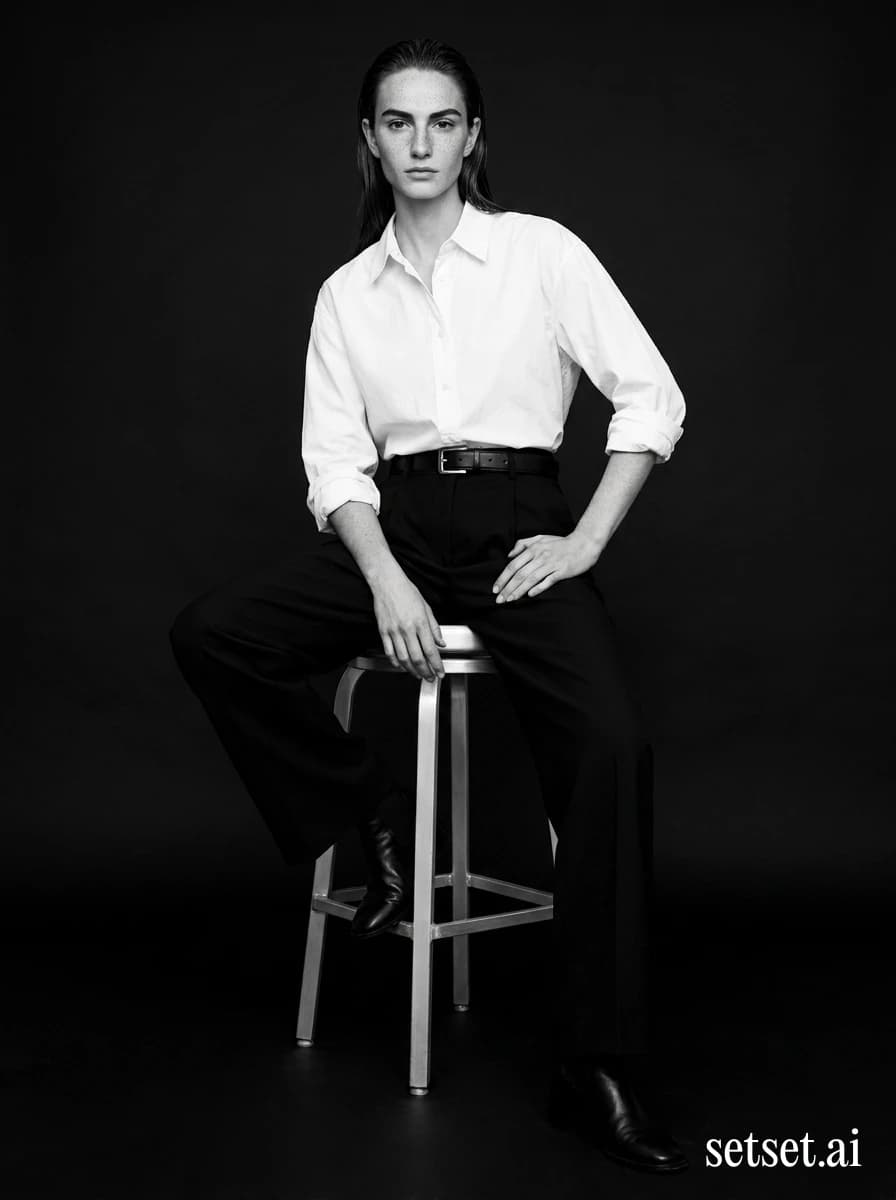
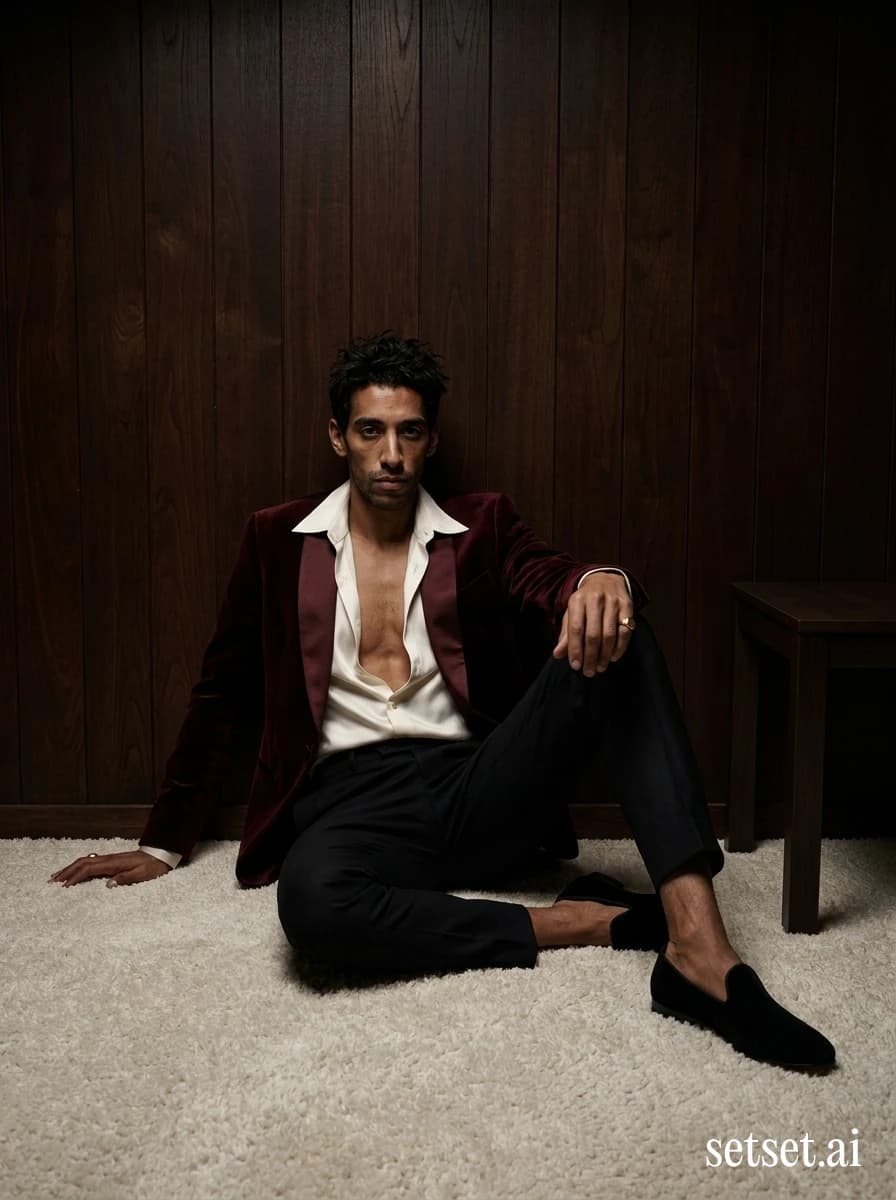
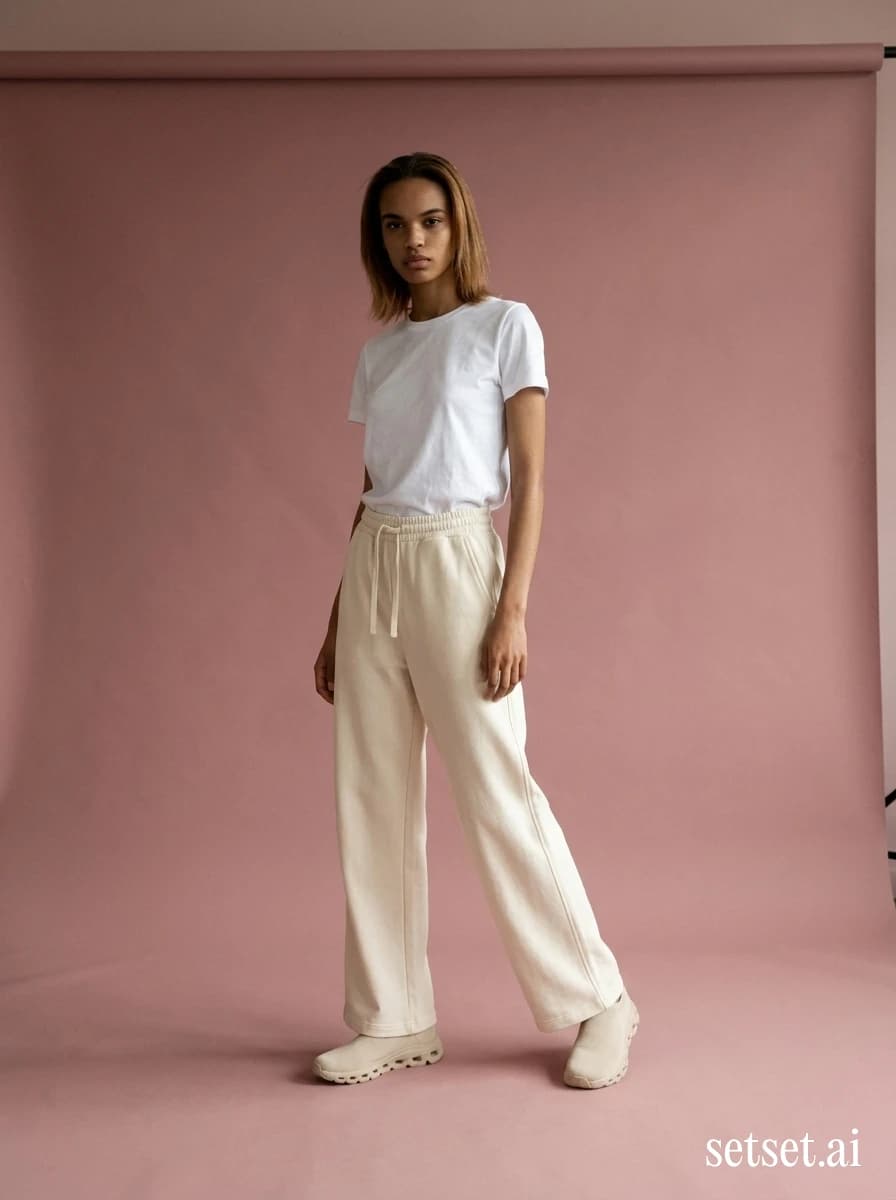
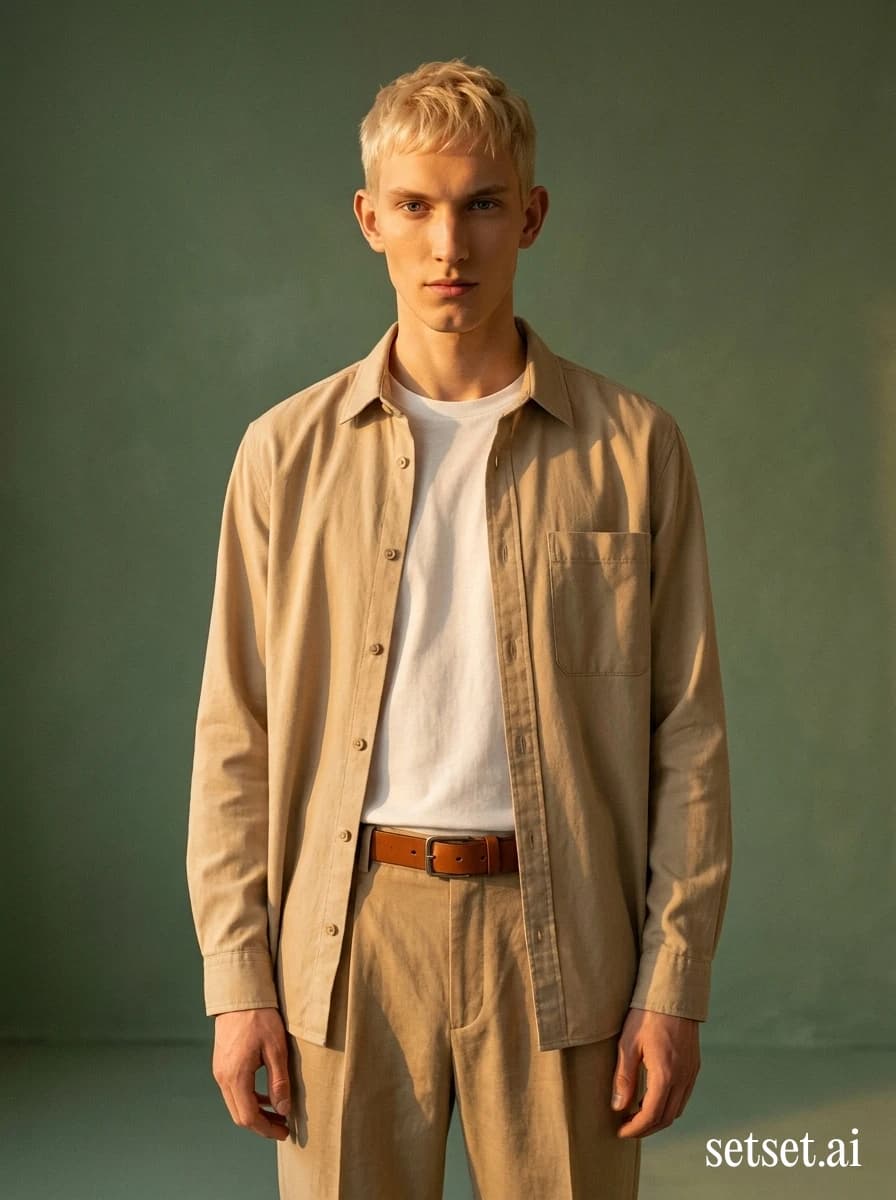
Production-grade AI product photography across studio, editorial, and lifestyle settings.
What does the AI product photography tool landscape look like?
The AI product photography market has grown from a handful of experimental tools in 2024 to over 15 dedicated platforms in 2026. The landscape has segmented into three distinct categories, each serving a different type of buyer.
Category 1: Self-serve generators
Tools like Botika, Fashn, Claid, Snappyit, and VModel offer subscription-based access at $8-100 per month. The user uploads a garment image, writes a text prompt or selects a template, and generates images directly. These tools are designed for small sellers and individual operators producing 10-200 images per month. Strengths: low cost, fast turnaround, no commitment. Weaknesses: inconsistent output at volume, no human QC, prompt-based interfaces that require the user to articulate styling in text.
Category 2: Production platforms
Production platforms are built for brands running serious catalogue volume that need end-to-end consistency, not just a generation tool. Setset operates across both self-serve and managed tiers, making it a useful benchmark for what this category offers.
The right choice depends on production volume and team capacity. A small brand listing 30 products per month on a marketplace can run a self-serve tool in-house without friction. A mid-market brand producing 500+ SKUs per season needs consistency, quality control, and delivery at a pace that makes operating a self-serve tool a full-time job. At that scale, managed production is not a premium - it is the more efficient operating model.
Checklist: how to evaluate an AI product photography platform
Evaluating AI product photography platforms requires testing with your actual products, not reviewing demo galleries. Every platform's showcase page looks impressive. The real test is how the platform handles your specific garments, at your specific volume, against your specific quality bar.
1. Test with your hardest garments. Send your most complex products first - structured blazers, draped dresses, sheer fabrics, garments with visible hardware. Any platform looks good on a plain t-shirt. The differences surface on garments where fabric physics, construction details, and hardware rendering are critical. If a platform cannot render your most difficult product categories, it cannot serve your full catalogue.
How Setset handles this: Managed production includes human quality review on every image. When the AI misses a construction detail or hardware placement, the QC team catches it before delivery - the brand never has to spot-check output manually.
2. Test at volume, not one-offs. Request a batch of 50+ images using the same model, same lighting setup, and same background. Review the batch as a grid. If model proportions drift, if lighting temperature shifts between images, or if background tone varies across the set, the platform will not produce a cohesive PDP grid or catalogue spread. Consistency at volume is the hardest technical challenge in AI product photography.
How Setset handles this: Setset's curated talent roster uses persistent model identities - the same face, proportions, and presence across thousands of generations. This is what makes catalogue-scale consistency possible without visual drift between batches or seasons.
3. Check integration with your workflow. Where in your existing production chain does the platform fit? Can it accept the input types you already produce (flat lays, ghost mannequin, packshots)? Does output meet your retailer specs without manual reformatting? Can the review and approval workflow connect to your existing PIM, DAM, or project management tools? The less adaptation required, the faster the ROI.
How Setset handles this: Setset accepts flat lays, ghost mannequin photos, packshots, and design files. The Vault review platform handles approvals and revision requests in-platform, so brands do not need to download assets and review them in a separate tool.
4. Evaluate the operating model, not just the tool. A self-serve tool requires someone on the team to operate it: uploading garments, configuring settings, reviewing output, requesting regenerations, and managing delivery. At 50 images per month, that operational overhead is manageable. At 500+ images, it becomes a part-time role. If the brand does not have that capacity, a managed production model - where the platform operates the pipeline and delivers finished assets - may be more cost-effective even at a higher per-image price.
How Setset handles this: Setset offers both paths. Studio (self-serve, from $49/month) for teams that want hands-on control without prompts. Managed production for brands that want to hand off garment inputs and receive finished, QC-approved assets without running any part of the pipeline internally.
5. Understand the pricing at your actual scale. Per-image pricing looks different at 100 images versus 5,000 images. Ask for pricing at your expected volume, not the entry-tier rate. Factor in the internal time cost of operating a self-serve tool when comparing against managed production pricing. A $2/image self-serve tool plus 20 hours of internal team time per month may cost more than a $15/image managed service that requires zero internal production time.
How Setset handles this: Contact Setset for pricing at your expected scale - the conversation starts with your catalogue size, not a pricing page.
How are fashion brands using AI product photography today?
The brands using AI product photography at production scale are not early adopters experimenting with a new tool. They are running their seasonal catalogue pipelines through AI because the workflow delivers better economics and faster turnaround than the studio model they replaced.
Happy Socks: replacing the seasonal studio calendar. Happy Socks moved its full PDP catalogue production to Setset - approximately 1,500 products generating 7,000 images per year. The shift was not about cost alone. The traditional studio calendar required 3-4 months per season for sample production, shipping, shooting, and retouching. Setset compresses that to days, which means Happy Socks can finalize product imagery closer to launch and adjust the visual catalogue in response to late-stage merchandising decisions that would have missed a traditional shoot deadline.
TWP Clothing: testing the economics at mid-market scale. TWP moved 200 SKUs through AI product photography and achieved approximately 70% cost savings compared to their traditional on-model workflow. For a mid-market brand, this kind of saving changes the calculus on how many products get on-model photography versus flat-lay-only treatment. Before AI, many SKUs in mid-market catalogues went to market with flat lay images because the per-SKU cost of on-model photography did not justify the conversion uplift. AI closes that gap.
Ron Dorff: pushing into campaign territory. Ron Dorff uses Setset for standard catalogue production, but the more notable use case was a full campaign suite - “Fearless Summer,” styled as a 90s Ibiza editorial - produced entirely through AI. The campaign ran in major fashion press. This example is relevant because it marks the point where AI product photography stops being a cost-saving tool for PDP imagery and starts competing with traditional photography for brand-level creative work.
Additional brands running AI product photography at scale include MAAP (cycling apparel), MZ Wallace (accessories), and Tombolo (including a FIFA World Cup collaboration). Setset also produces for luxury brands under NDA where managed production with brand-exclusive creative control is a requirement.
Frequently asked questions
What image formats and resolution does AI product photography deliver?+
Production-grade platforms deliver images at 3,000-4,000px on the long edge in all the usual formats, meeting the requirements of major ecommerce platforms and retail partners. Output should pass your retailer's image spec checks without manual resizing. Ask any platform you are evaluating for sample output at your required specs before committing.
Do I need to reshoot my existing product photography to use AI?+
No. Most AI product photography platforms accept existing flat lays, ghost mannequin photos, and packshots as input. Clean, well-lit images on white or neutral backgrounds at 1,000px or wider work well. If you already have a library of product photography, you can convert those existing assets to on-model imagery without reshooting. For managed production, Setset also accepts design files directly.
Can AI match my brand's existing photography style?+
This depends on the platform. Prompt-based tools give approximate style control through text descriptions, which makes precise brand matching difficult and inconsistent. Art-direction-based platforms like Setset work from visual styling references - sample images that define your lighting, background, composition, and model aesthetic - which produces output that matches an existing visual identity more reliably than text descriptions can.
How long does AI product photography take?+
Self-serve tools generate individual images in seconds. Batch processing of 50-200 images typically takes minutes to hours depending on the platform. Managed production with art direction, human quality review, and retouching delivers finished batches in 24-48 hours. Compare that against the 3-4 month timeline of traditional fashion photography that includes sample manufacturing, shipping, studio booking, shooting, and post-production.
What happens when the AI gets a garment wrong?+
Generation errors happen - a button migrates, a pleat disappears, a pattern misaligns. With self-serve tools, the user catches and regenerates. With managed production, a human QC team reviews every image before delivery and either corrects the issue or regenerates. The cost of a regeneration in AI production is near zero. The cost of a reshoot in traditional photography is the full per-image rate plus scheduling overhead. This is one of the structural advantages of AI: mistakes are cheap to fix.
Can AI product photography generate video as well as stills?+
Yes. AI-generated still images can be converted to short video clips for product detail pages. This is one of the fastest-growing applications - brands with existing AI-generated image libraries can produce PDP video content from those assets without any additional input photography. A/B testing shows a 4% conversion increase on product pages with video compared to static-only listings.
Is AI product photography suitable for luxury fashion brands?+
Yes, with caveats. Luxury brands require tighter creative control, brand-exclusive model identities, and higher garment accuracy on premium fabrics and construction. Self-serve tools are generally not suitable for luxury. Managed production platforms that offer curated model rosters, brand-exclusive agreements, art-direction-based workflows, and human QC are positioned for this segment. Setset produces for several luxury brands under NDA with full creative control and brand exclusivity.