
AI Fashion Models: How Brands Cast, Create, and Scale Digital Talent
The complete guide to AI-generated on-model imagery for fashion brands - from how it works to what to look for in a production partner.
- What is an AI fashion model?
- How does AI fashion model generation work?
- Why are fashion brands adopting AI models?
- What types of fashion imagery can AI models produce?
- What about AI male models specifically?
- How do AI fashion model tools compare?
- Checklist: what should brands look for?
- Which brands are already using AI fashion models?
- Frequently asked questions
An AI fashion model is a digitally generated human figure used to display clothing and accessories in product photography, campaign imagery, and catalogue production. AI fashion models allow brands to produce studio-grade on-model visuals - across diverse body types, ethnicities, styling, and locations - without booking a physical shoot, hiring talent, or shipping samples. Brands that have adopted AI fashion models report up to 70% lower per-image costs compared to traditional studio photography, and 67% of leading ecommerce operators now budget specifically for AI imaging tools.
The technology behind AI fashion models has matured rapidly. In 2024, most tools produced images that required heavy post-production and still looked synthetic at full resolution. By mid-2026, the leading platforms deliver outputs that creative directors at brands like Happy Socks and Ron Dorff approve and apply directly to live ecommerce and campaign assets. A/B testing across production clients shows AI-generated on-model images convert at parity with traditional photography - and adding AI-generated video to product pages delivers a measurable conversion lift.
AI fashion model generation is not a single technology - it is a production capability. The difference between uploading a flat lay to a generator and receiving finished, art-directed on-model imagery is the same difference as between owning a camera and running a photography studio. Some brands need the camera. Others need the studio. This guide covers both approaches: how AI fashion model generation works, what it costs compared to traditional production, which brands are using it at scale, and how to evaluate whether a self-serve tool or a full production partner is the right fit.
What is an AI fashion model?
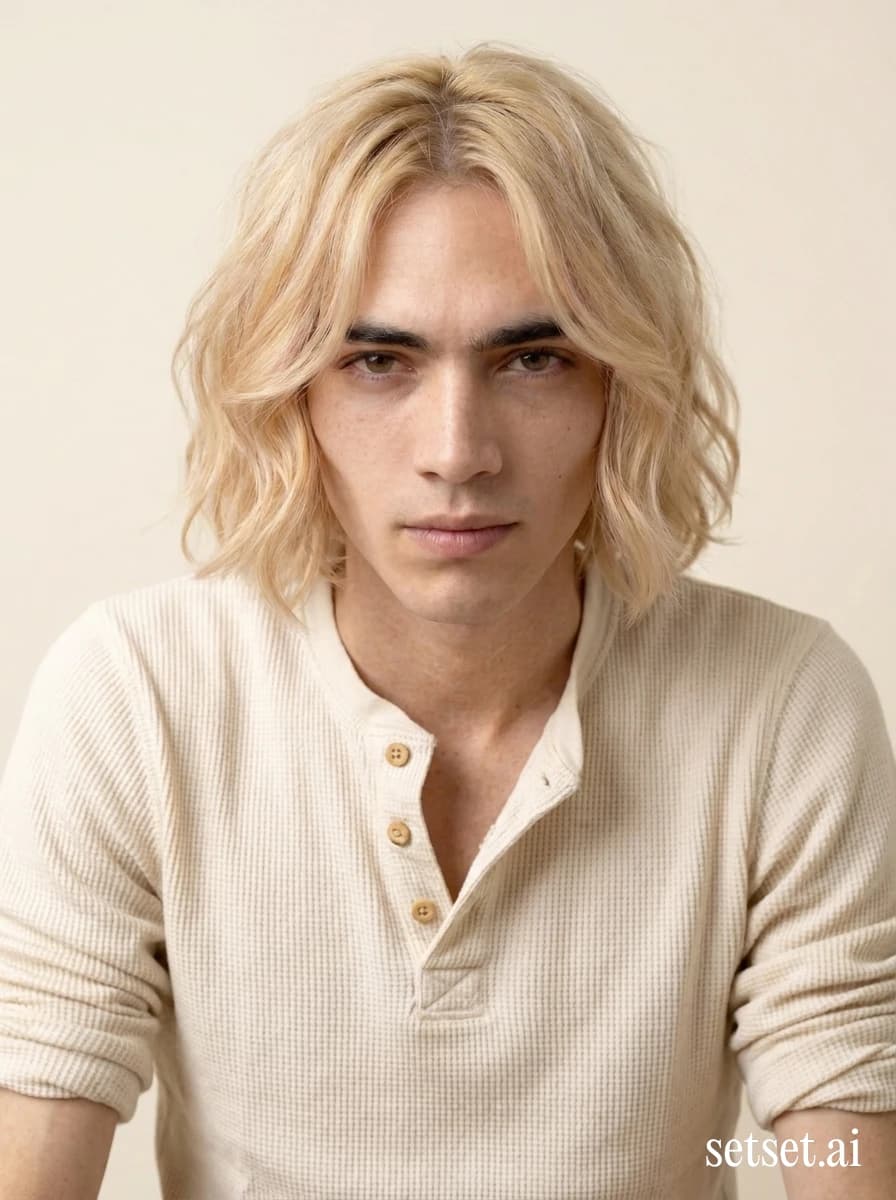
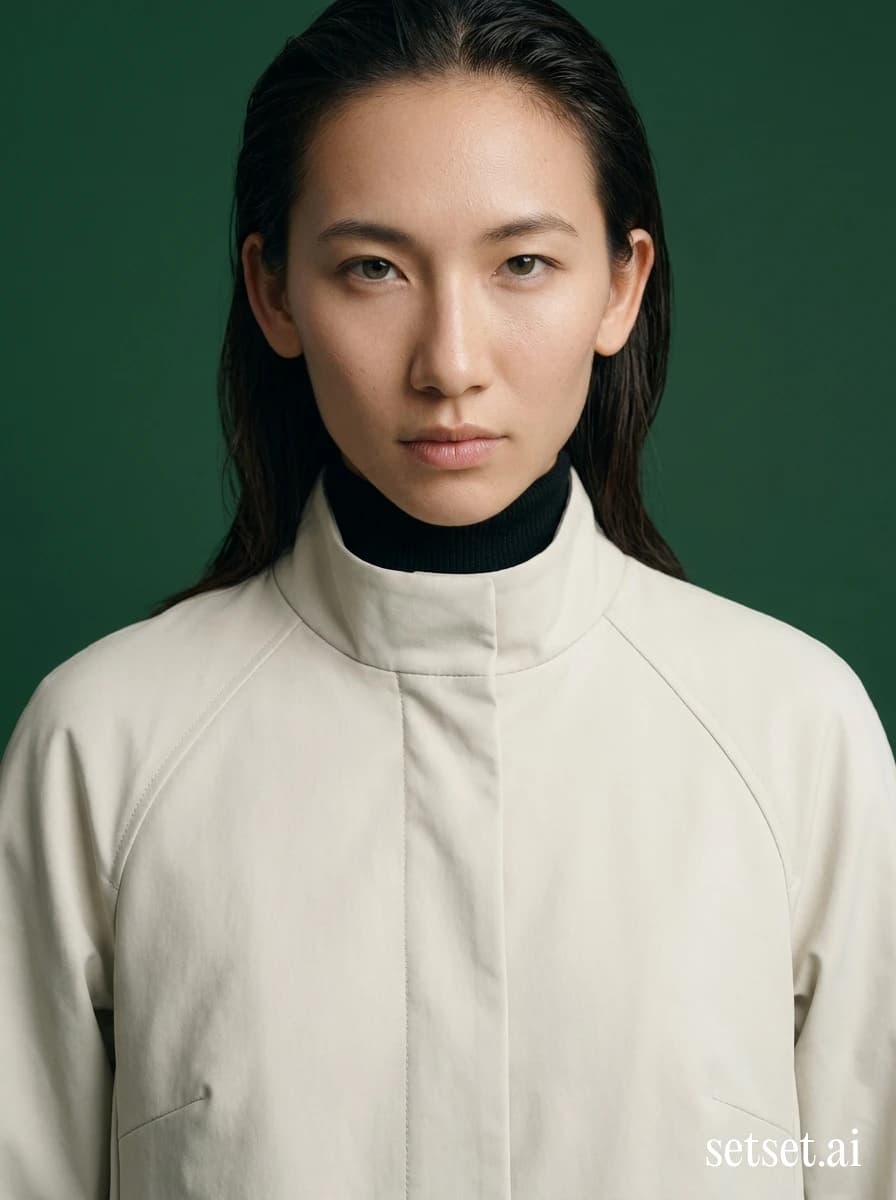
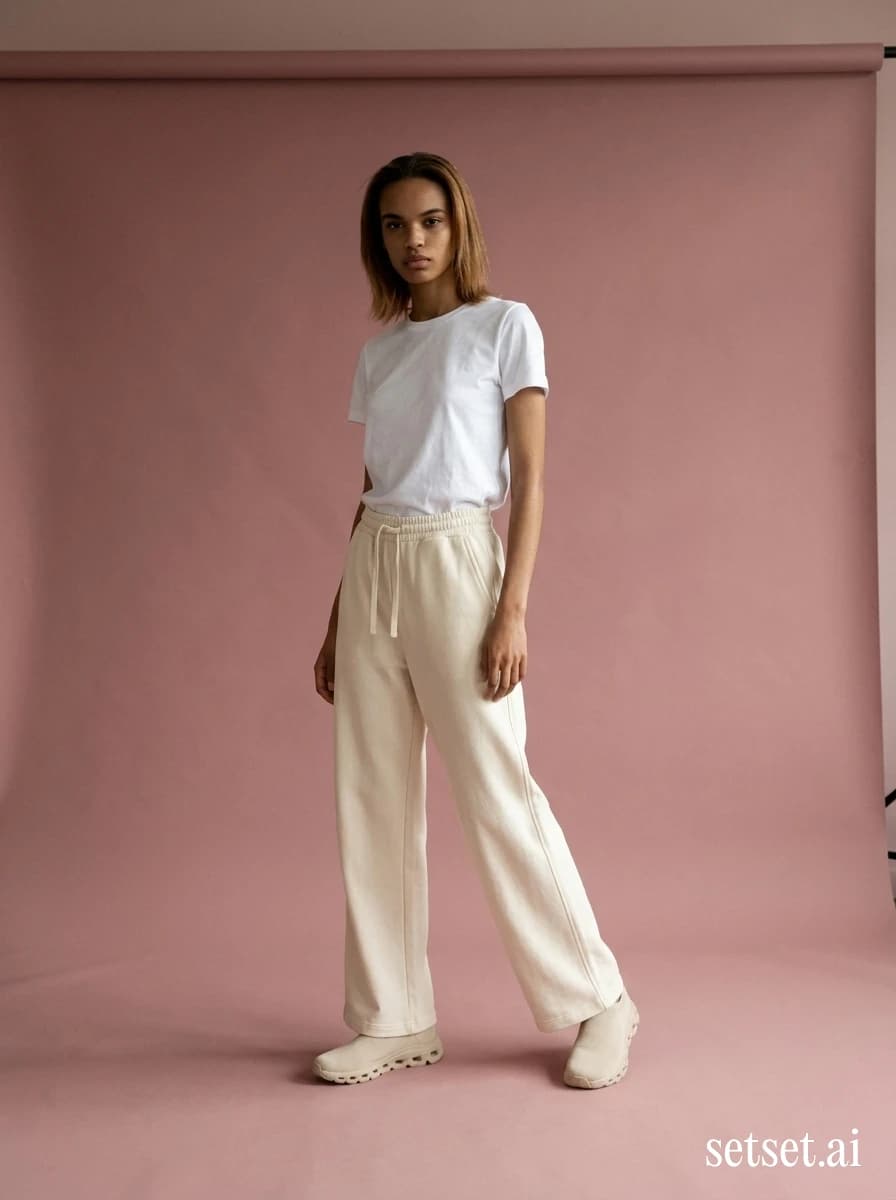
An AI fashion model is a computer-generated human figure that wears real garments in photorealistic product imagery. Unlike 3D-rendered mannequins or basic flat-lay-to-model overlays, modern AI fashion models replicate the posture, fabric drape, skin texture, and lighting of a professional studio shoot - at a fraction of the cost and turnaround time.
AI fashion model generators work by taking a product image - typically a flat lay, packshot, or ghost mannequin photo - and generating a realistic on-model image. The technology uses deep learning models trained on millions of fashion photographs to understand how garments sit on different body types, how fabric falls under various lighting conditions, and how poses affect drape and silhouette.
There are two broad categories of AI fashion model solutions in the market today. Self-serve tools like Botika, Fashn, and Claid let users upload a garment photo, select a model type, and generate images through a prompt-based or template-based interface. Full-service platforms like Setset offer both a self-serve studio for teams that want hands-on control, and a managed production service that operates the entire pipeline - from garment upload to final retouched assets - with art direction, quality control, and brand consistency built in.
The distinction matters. Self-serve tools work well for small sellers generating 10-50 images per month - Setset's own Studio tier supports this workflow too, without requiring prompts. At catalogue scale - 500+ SKUs across multiple seasons - the difference between a basic tool and a platform built for production becomes the difference between inconsistent outputs and a cohesive brand catalogue.
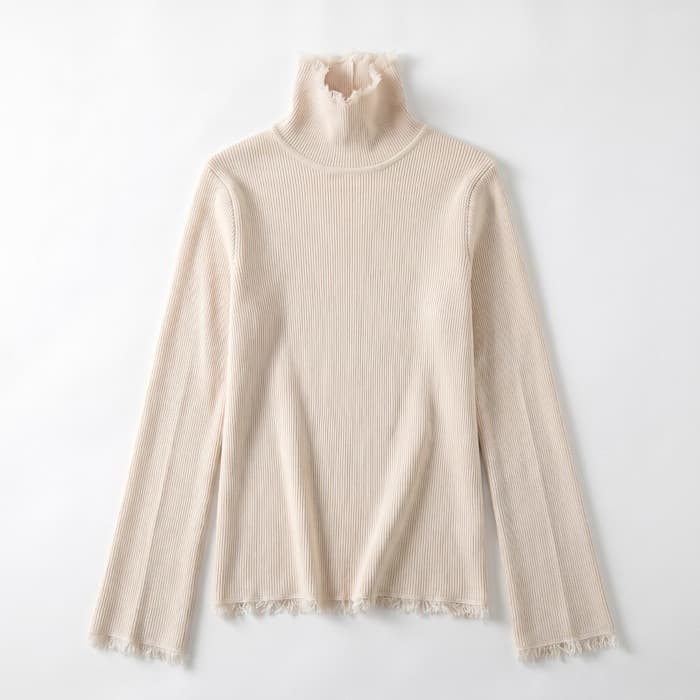
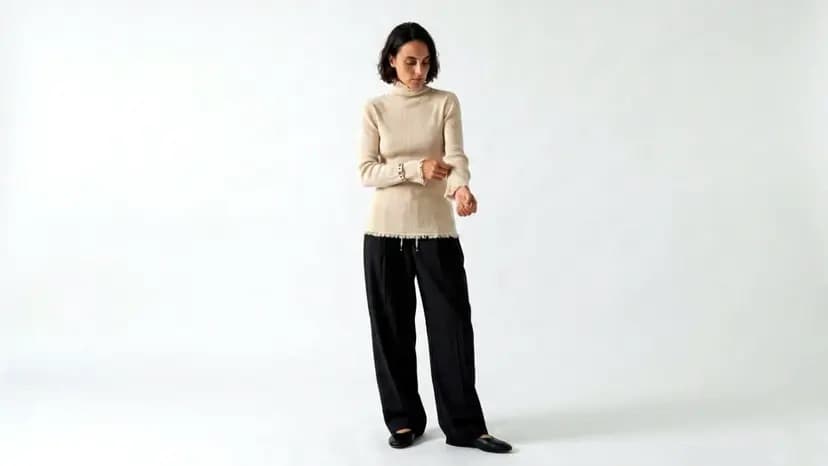
From flat lay input to finished on-model output - no studio, no shoot day, no retouching queue.
How does AI fashion model generation work?
AI fashion model generation combines several machine learning techniques to produce photorealistic on-model imagery from a garment input. The process varies by platform, but the core pipeline has three stages: garment understanding, model generation, and compositing.
Stage 1: Garment understanding
The system analyzes the input image to identify the garment type, fabric texture, color, pattern, and construction details. Advanced platforms preserve pixel-level accuracy - stitching patterns, logo placement, button positioning, and zipper alignment all carry over to the final output. This stage determines whether the output will be ecommerce-grade or will require manual correction.
Stage 2: Model generation
The AI generates a human figure based on parameters like body type, skin tone, age range, and pose. Template-based tools offer a fixed set of model presets. Prompt-based tools let users describe the model in text. Setset takes a different approach entirely: a curated talent roster of persistent AI models developed to meet casting-grade standards for consistency, diversity, and brand alignment. Each model in the Setset roster is stable across thousands of generations - the same face, the same proportions, the same presence - which is what makes catalogue-scale production possible without visual drift.
Stage 3: Compositing and rendering
The garment is virtually “dressed” onto the model figure, with the AI calculating how the fabric would drape, fold, and catch light on that specific body in that specific pose. The best platforms produce images at 4K resolution that pass quality checks at major retailers. The entire process takes seconds for a self-serve tool and 24-48 hours for a managed production pipeline that includes art direction and human quality review.
Why are fashion brands adopting AI models?
Fashion brands are adopting AI models because traditional product photography is slow, expensive, and difficult to scale. A single on-model ecommerce shoot for one garment - including model booking, studio rental, styling, shooting, and retouching - costs $80-250 per SKU. AI reduces that to a small fraction of the cost, depending on the platform and service level.
Cost is only part of the equation. Traditional fashion production takes 3-4 months from design file to final on-model assets. Brands need to ship physical samples to a studio, book models, shoot, retouch, and deliver. AI compresses that timeline to days. For brands working with pre-production samples or design files, Setset can deliver final imagery before physical samples even exist.
67% of leading ecommerce operators now budget specifically for AI imaging tools.
The market reflects this shift. The AI product photography market is projected to grow from approximately $450 million in 2024 to $5 billion by 2035, a compound annual growth rate near 24.5%.
There is also a creative upside that goes beyond cost savings. AI fashion models make it practical to show every garment on multiple body types, in multiple colorways, at multiple locations - from a clean studio backdrop to a sun-drenched Mediterranean terrace. That level of visual personalization was financially impossible with traditional photography. With AI, it becomes a workflow decision, not a budget constraint.
Brands like Ron Dorff have used Setset to produce full campaign imagery - including a 90s Ibiza location concept featured in Women's Wear Daily, Daily Front Row, and L'Officiel - without booking a single flight.
What types of fashion imagery can AI models produce?
AI fashion models produce five main categories of imagery that cover the full ecommerce and marketing stack. Each category has different quality requirements and different levels of maturity in the current tool landscape.
1. PDP ecommerce imagery
The highest-volume use case. AI fashion models generate standard product detail page imagery - front, back, and detail views on a model against a clean studio background. Setset's managed production clients like Happy Socks use this workflow to produce approximately 7,000 images per year across 1,500 products at a small fraction of what a traditional studio workflow would require.
2. Wholesale and B2B catalogues
Wholesale catalogues require absolute consistency across hundreds or thousands of SKUs - same lighting, same model proportions, same background treatment. This is where self-serve tools break down at scale and where managed production delivers the most value. Brands moving their wholesale catalogues to AI production typically see a cost reduction of approximately 70% compared to traditional studio shoots.
3. Campaign and editorial imagery
AI fashion models are increasingly used for campaign work that would traditionally require a location shoot. Setset produced Ron Dorff's “Fearless Summer” campaign - a full Ibiza-themed editorial suite - without a physical location shoot.
4. Flat lay to on-model conversion
Brands that already have flat lay or ghost mannequin photography can convert those existing assets to on-model imagery using AI. This is the fastest path to upgrade existing product pages without reshooting anything.
5. Video and motion content
The newest application. AI-generated still images can be converted to short video clips for product detail pages. A/B testing across multiple Setset clients has shown a measurable conversion increase on PDP pages that include video compared to static-only pages.
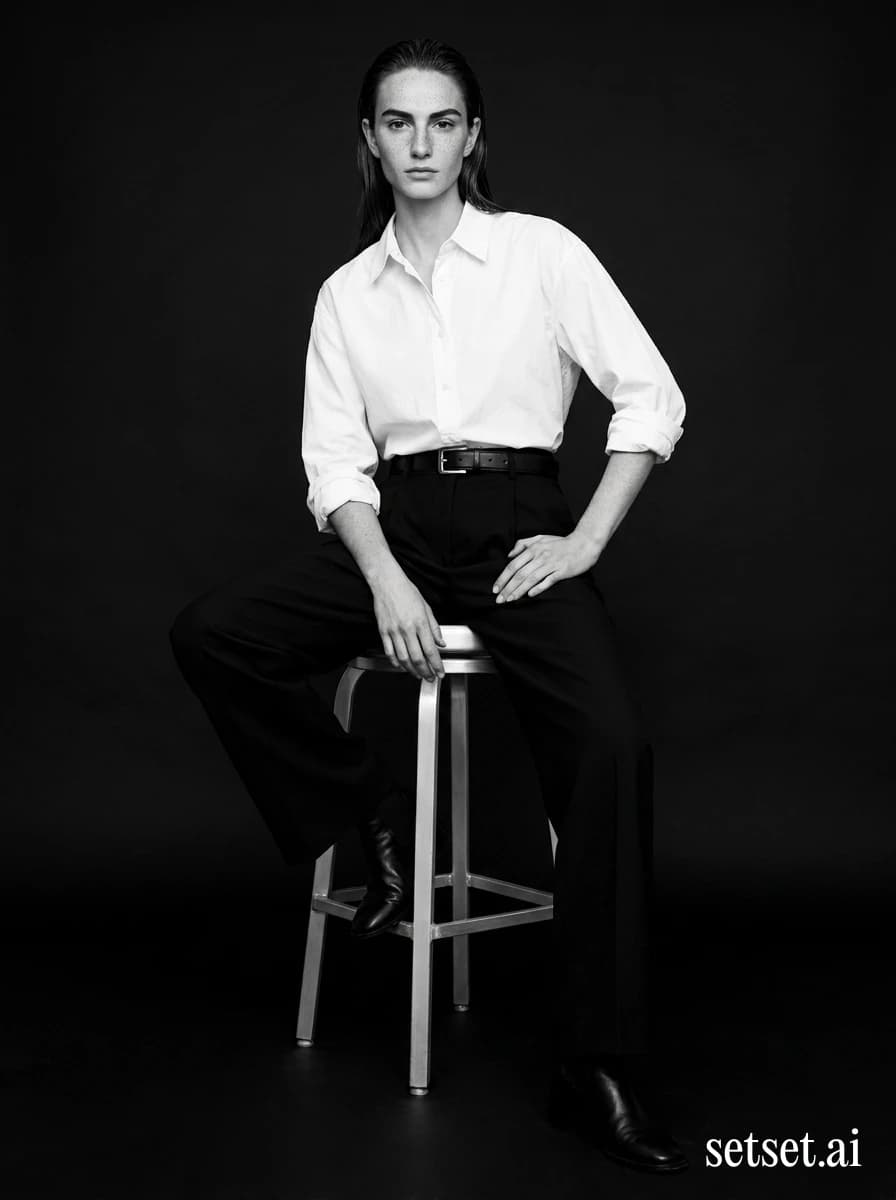
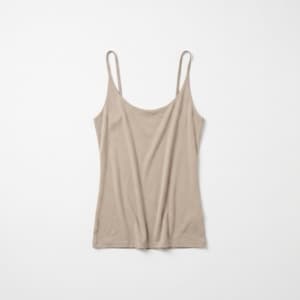

From left: PDP studio shot, campaign editorial, flat lay input, video output - all produced through Setset.
What about AI male models specifically?
AI male models are a distinct and fast-growing sub-category of AI fashion model generation. Menswear brands face the same production costs as womenswear but typically have lower per-SKU marketing budgets. AI male models let menswear brands produce catalogue-quality on-model imagery at a price point that makes economic sense even for brands with 100-200 SKUs per season.
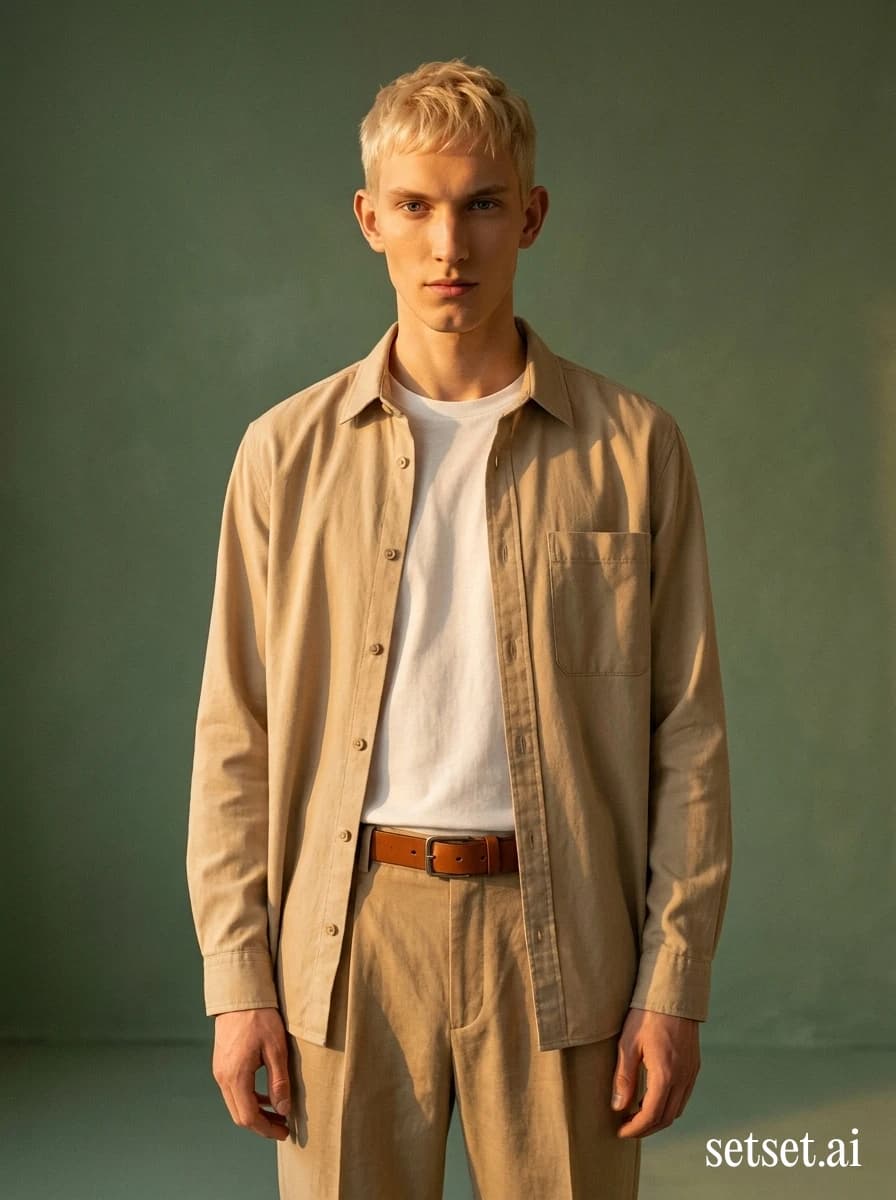
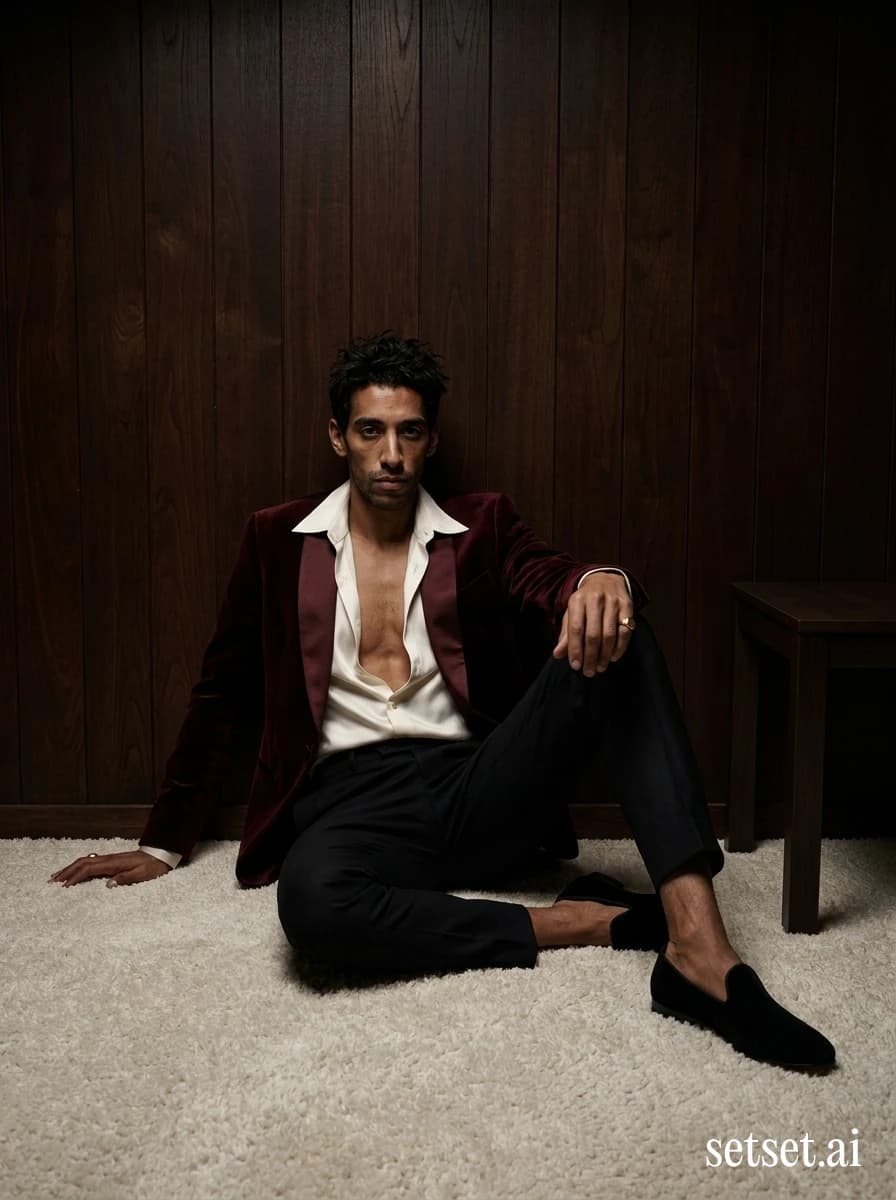
Setset's AI male model roster includes a range of body types, skin tones, ages, and styling profiles. Unlike prompt-based generators that produce a random face each time, Setset's male models are persistent - a brand can select a specific model and use the same digital talent across an entire season or catalogue for visual consistency.
For brands looking at AI male model generators specifically, the key evaluation criteria are consistency (can the same model appear across 500 SKUs without variation?), garment accuracy (do suits, outerwear, and structured garments drape correctly?), and diversity (are multiple body types and ethnicities available at casting-grade quality?). Browse Setset's AI male model gallery for live examples.
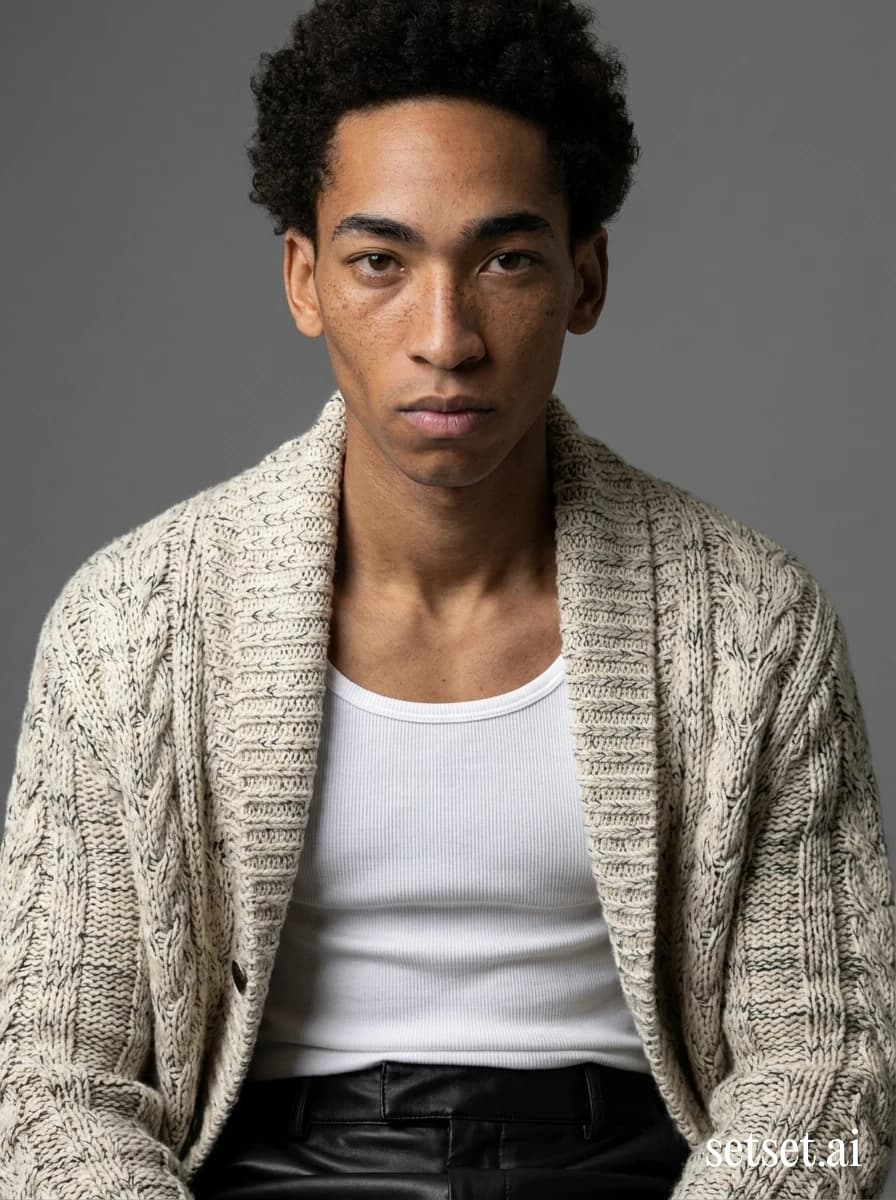
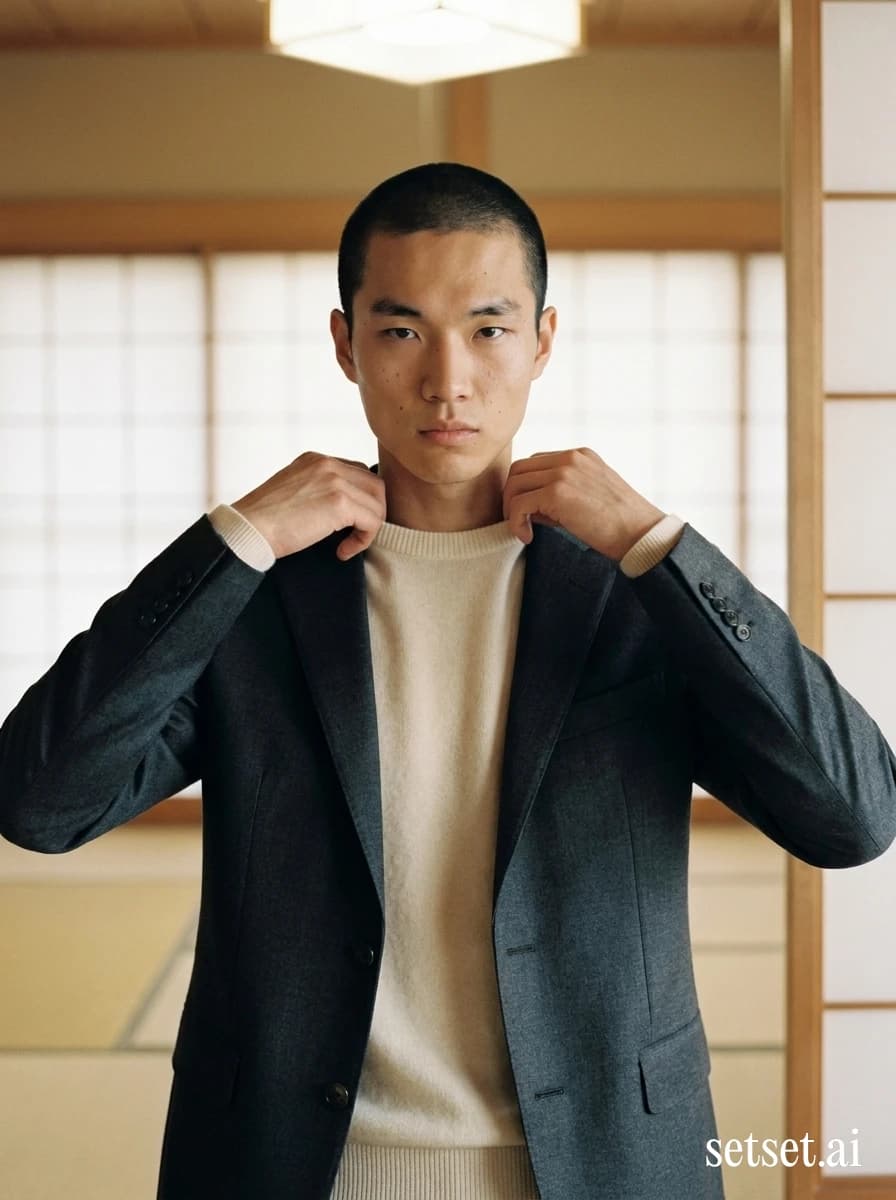
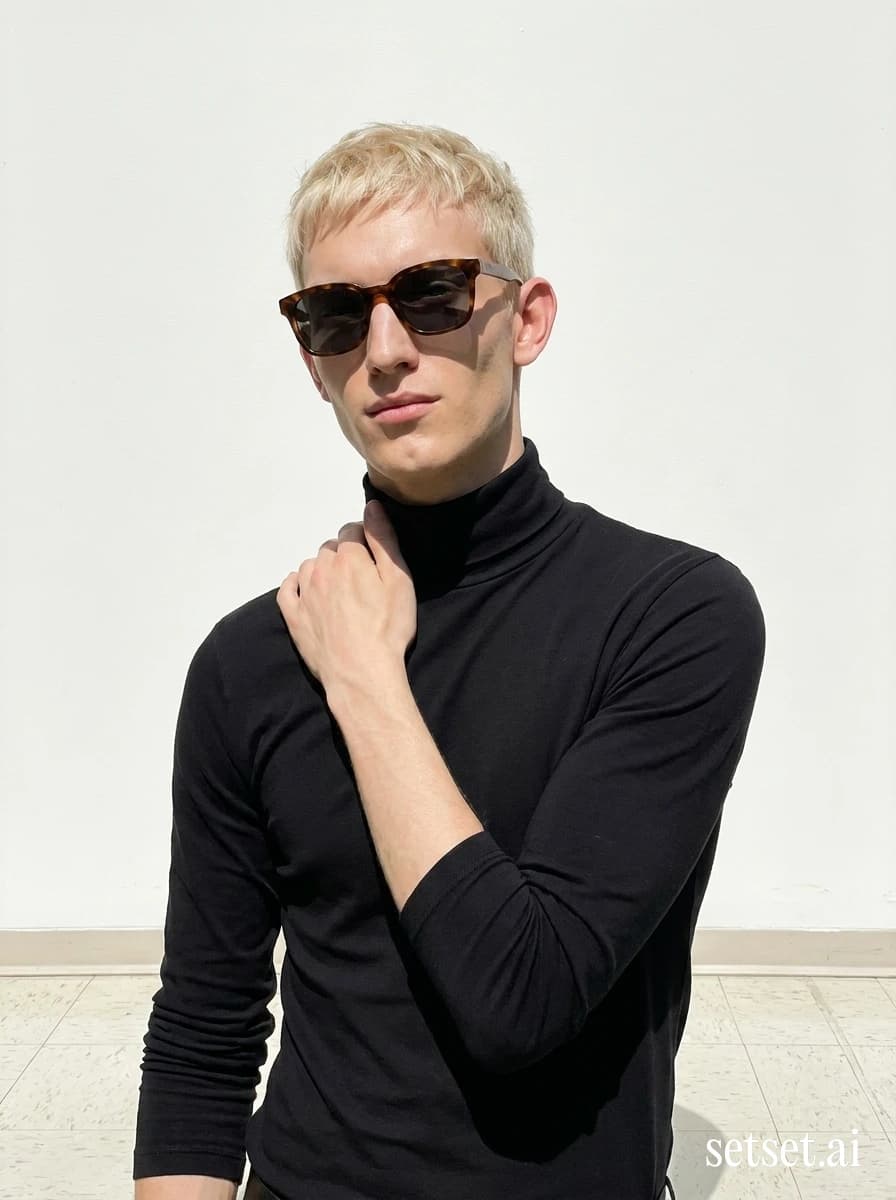
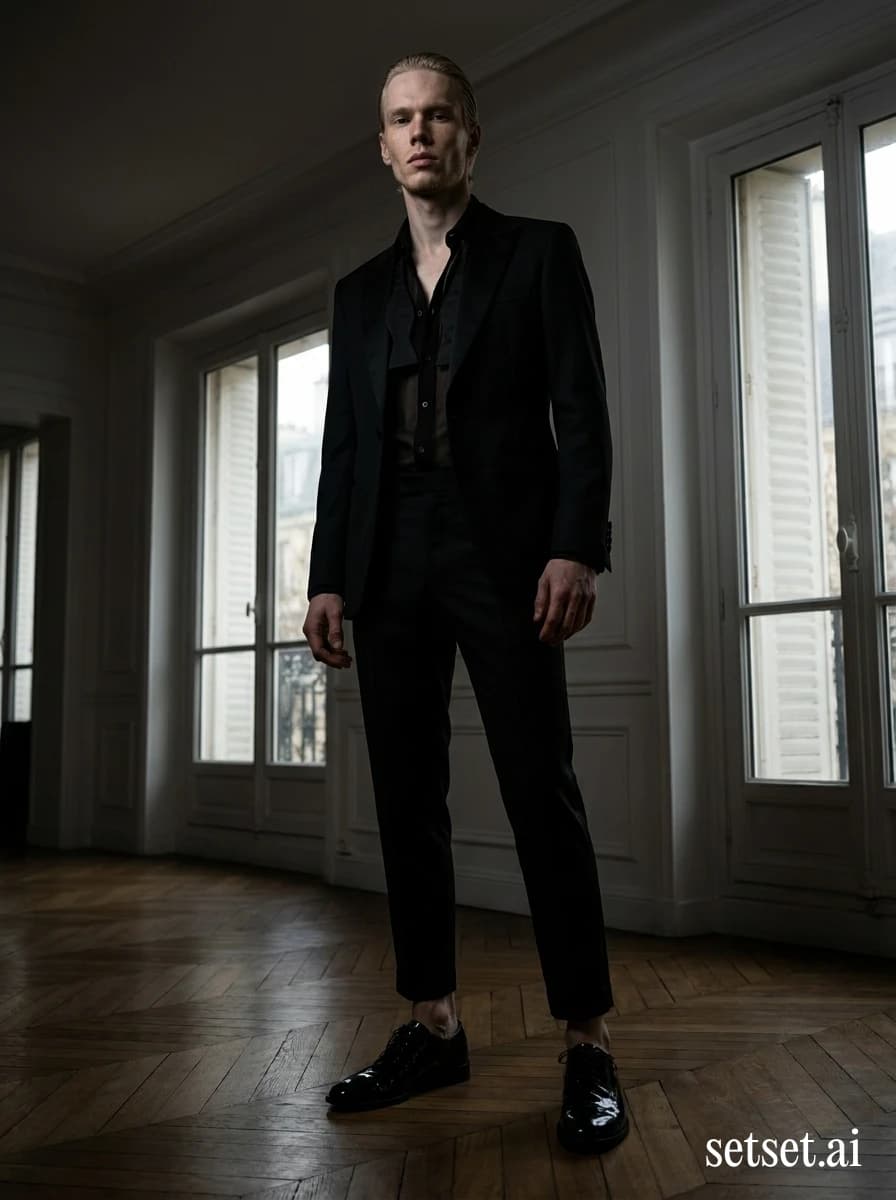
Setset's AI male model roster across studio, editorial, and location settings.
How do AI fashion model tools compare?
The AI fashion model market has grown from a handful of tools in 2024 to over 15 dedicated platforms in 2026. Here is how the main categories compare.
The core distinction is tool versus production platform. A basic AI fashion model generator gives a user an interface and credits. Setset offers two paths: a self-serve Studio for teams that want direct control over model selection, posing, and styling without prompts, and a fully managed production service for brands running serious catalogue volume - including art direction, quality control, retouching, and delivery.
Checklist: what should brands look for in an AI model solution?
Choosing an AI fashion model solution comes down to five factors. The right answer depends on how many images the brand produces, what quality standard those images need to meet, and how much operational capacity the team has to manage a new tool.
1. Output consistency at volume. Generate 10 images from any tool and they will look good. Generate 1,000 and the differences become obvious. Ask for sample batches of 50+ images using the same model, same lighting, same background.
2. Garment accuracy. Check structured garments (blazers, coats, dresses with pleats) - not just t-shirts. The technology is good at simple garments but varies significantly on complex construction, hardware, and draping.
3. Model diversity and persistence. Can the same model appear across 500 SKUs? Are multiple body types, skin tones, and ages available at casting-grade quality?
4. Workflow integration. Where does the tool fit in the existing production chain? Can it accept design files or only finished photography? Does it integrate with PIM/PLM systems?
5. Creative control versus automation. Prompt-based tools offer flexibility but require the user to articulate styling decisions in text. Art-direction-based platforms like Setset use visual references and styling briefs - the same way a creative director would brief a physical shoot.
Which brands are already using AI fashion models?
AI fashion models are used across the full spectrum of fashion, from DTC startups to established global brands. Here are specific examples from Setset's production clients.
Happy Socks produces approximately 7,000 images per year through Setset across 1,500 products, replacing a traditional studio workflow that took 3-4 months per season. Setset delivers in days.
Ron Dorff used Setset for both catalogue production and a full campaign (“Fearless Summer”) that was featured in Women's Wear Daily, Daily Front Row, and L'Officiel - produced entirely through AI, including location imagery styled as 90s Ibiza, without a physical shoot.
TWP Clothing moved 200 SKUs through Setset, achieving approximately 70% cost savings compared to a traditional on-model shoot.
Additional brands using AI fashion model production include MAAP (cycling apparel), MZ Wallace (accessories), and Tombolo (including a FIFA World Cup collaboration). Setset also works with luxury brands under NDA that require managed production with full creative control.
Frequently asked questions
Can AI fashion models replace real models entirely?+
AI fashion models extend what production teams can do - they don't fully replace human talent. Most brands use AI for catalogue-volume PDP imagery (hundreds or thousands of SKUs) and reserve real photography for hero campaign shots, lookbook editorials, and brand-defining content.
What is the difference between an AI fashion model generator and a managed production service?+
An AI fashion model generator is a self-serve tool - the user uploads garments, selects parameters, and generates images. A managed production service operates the full pipeline: garment intake, model casting from a curated talent roster, art direction, generation, human quality review, retouching, and final asset delivery. Setset offers both.
Do AI-generated fashion model images convert as well as real photography?+
In A/B testing across Setset clients, AI-generated on-model images perform at parity with traditional studio photography for PDP conversion. Adding AI-generated video to static product pages has shown a measurable conversion increase.
Can I use the same AI model across my entire catalogue?+
With prompt-based generators, maintaining the same model face and proportions across hundreds of images is difficult and often unreliable. Platforms with curated talent rosters - like Setset - offer persistent model identities that remain consistent across thousands of SKUs.
What input images work best for AI fashion model generation?+
Clean, well-lit product photos on white or neutral backgrounds produce the best results. Ghost mannequin photos, flat lays, and packshots at 1,000px or wider work well. For managed production with Setset, the pipeline also accepts design files, removing the need for any physical photography of the garment.
Are there AI male model generators specifically for menswear?+
Yes. Most AI fashion model platforms support male models, though quality and diversity vary significantly between tools. Setset's curated male model roster includes a range of body types, skin tones, and styling profiles developed specifically for menswear brands. Browse Setset's AI male model gallery for live examples across suits, knitwear, outerwear, and sportswear.
How long does it take to get AI fashion model images?+
Self-serve tools generate images in seconds to minutes. Managed production through Setset delivers from brief to final assets in days - compared to the 3-4 month timeline of traditional fashion production.