
AI Won’t Replace Your Creative Team
Content demand has surged across every team that touches the brand - doubling in just a few years, with up to fivefold growth ahead - shoppers now expect localized imagery, personalized campaigns, video on every product page, and instant fixes when a product is added late or discontinued. No studio calendar can keep up. AI doesn’t take the creative work away - it removes the production ceiling around it.
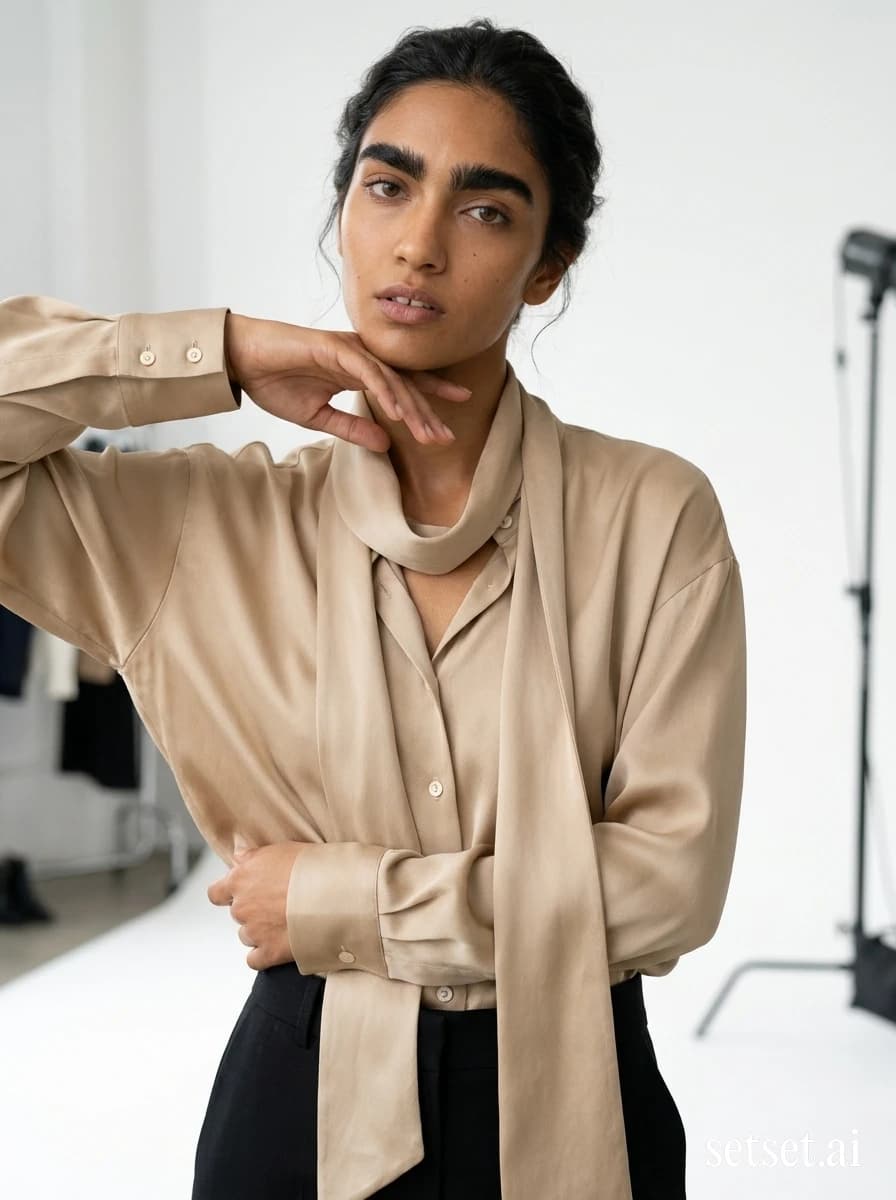
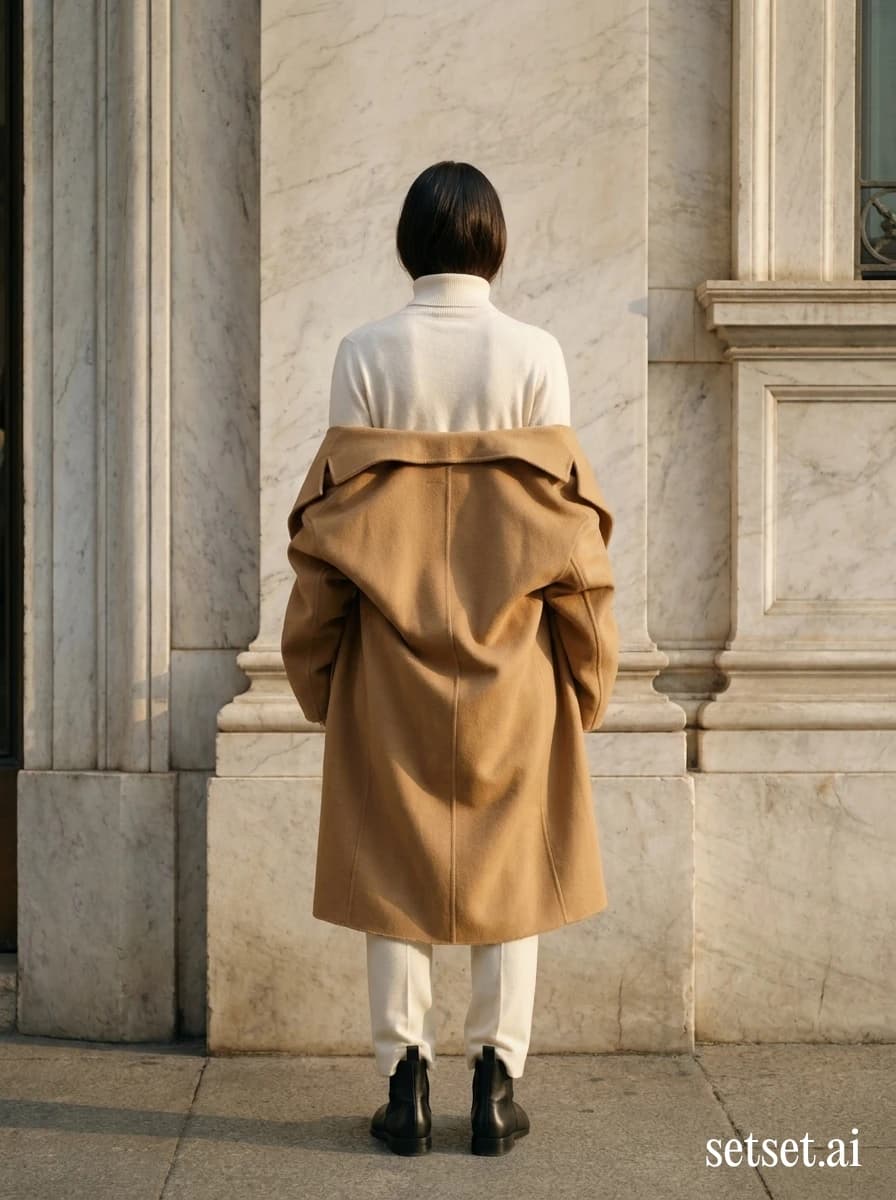
The creative direction is human. The production ceiling is what changes.
- The short answer
- The real problem: demand is outgrowing production
- Additive AI: extend the shoot, don't replace it
- What changes with AI photography for creative teams - and what doesn't
- What this looks like in practice
- Why taste matters more, not less
- An honest note on what does change
- Frequently asked questions
The short answer
Will AI replace fashion creative teams and photographers? No - and at the brands producing the most AI imagery today, the opposite is happening. The content production need has exploded: Adobe research shows content demand has doubled for 96% of marketers, with 71% expecting up to fivefold growth. No creative team can shoot its way to that volume. AI photography removes the production bottleneck - studio logistics, sample shipping, reshoots, per-image cost - while the creative decisions remain entirely human. The brands getting the most out of AI imagery are the ones whose creative teams direct it hardest.
We build AI photography for fashion brands, so you’d expect us to say something like this. But our position is more specific than “don’t worry”: if an AI imagery tool is designed to replace your creative team, it’s designed wrong. The value isn’t in removing people from the process. It’s in removing the ceiling on what those people can produce.
“We still enjoy shooting in the studio.” - Great. Keep it. That’s not the problem we solve.
The real problem: demand is outgrowing production
The conversation about AI and creative jobs usually starts in the wrong place - with the technology. It should start with the workload.
The demand for imagery and video on product pages and in marketing is increasing, and it will keep increasing. Adobe research found that content demand has doubled for 96% of marketers, and 71% expect it to grow as much as fivefold. In a 2025 Adobe survey of creative professionals, 83% said their creative team’s workload increased over the last year, and roughly half of creative teams say they’re struggling to keep up with demand.
In fashion specifically, four forces drive that curve:
Localization. Consumers respond to imagery that feels made for them - their market, their context, their season. Showing the same garment styled for different regions and audiences was financially impossible with traditional production. Shoppers benefit from it; almost no brand can afford to shoot it.
More diverse models. Showing every garment on multiple body types and skin tones isn’t a nice-to-have anymore - it’s what shoppers expect. Traditionally, that multiplies your shoot days per product.
Video everywhere. Video on product pages measurably lifts conversion, yet only a small fraction of product pages have any - because producing video per SKU has been wildly uneconomical. In A/B testing with our customers, pages with video have shown a measurable conversion improvement over pages without.
Seasonal drops and contextuality. Collections refresh faster, campaigns are more frequent, and every drop needs its own visual world - on the same budget as last year.
There’s a gap between the content consumers want and what brands can produce. That gap is the problem. Not your team.
No creative team failed here. The math failed. When one finished on-model image costs $80–250 all-in and a proper shoot day runs into the thousands, of course brands ration photography to bestsellers, skip video, and shoot one model per garment. The team isn’t the bottleneck - the production economics are. (We’ve done the full math in our cost and ROI breakdown.)
Additive AI: extend the shoot, don’t replace it
Here’s the model we believe in, and the way the best brands we work with actually operate: keep the core shoot, derive everything else.
A brand is a people business. If there’s a photographer you love working with, models who embody your brand, a studio day that sparks joy for the team - keep all of it. That hero shoot is where taste, identity, and creative energy live. What AI does is take that core creative direction and extend it to every place the economics previously said no:
Video on top of your stills. You already shot the imagery - turning it into motion for product pages used to be a whole second production. Now it’s derived from what you have.
The whole catalogue, not just bestsellers. Shoot your hero pieces properly, and let AI carry that art direction across the hundreds of SKUs that were going live with a flat lay - or nothing.
Wholesale before samples exist. Sell-in imagery ready before the physical samples are - months of pre-production timeline gone.
Fixes without reshoots. A real example we see constantly: “we stopped selling those sneakers - now they’re in every model shot from last season’s shoot.” Before, that meant living with it or reshooting everything. Now it’s an edit, not a production.
Localization and casting breadth. The same garment, styled for different markets, on a consistent roster of diverse models - from one input.
Notice what’s absent from that list: nobody got replaced. Every one of those is work that wasn’t happening at all, or was happening at a fraction of the scale the brand wanted.
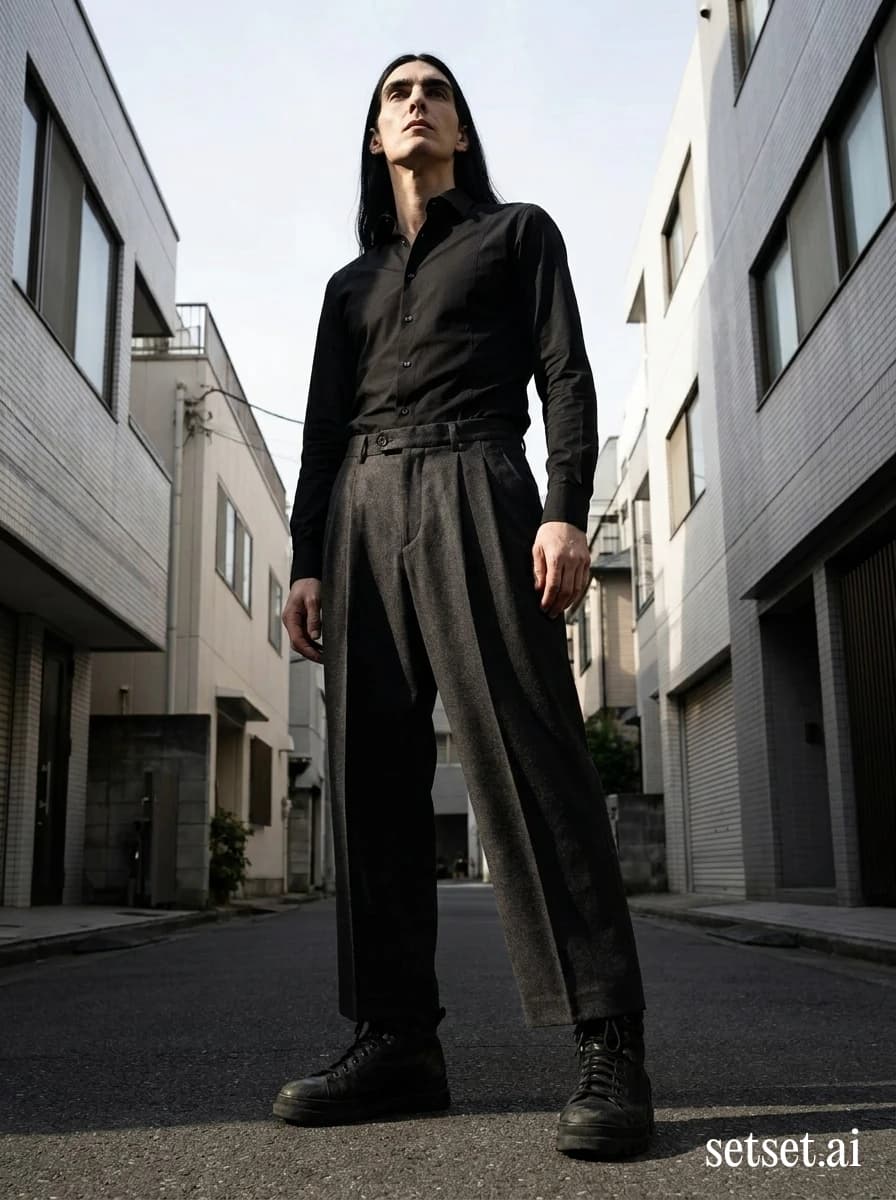
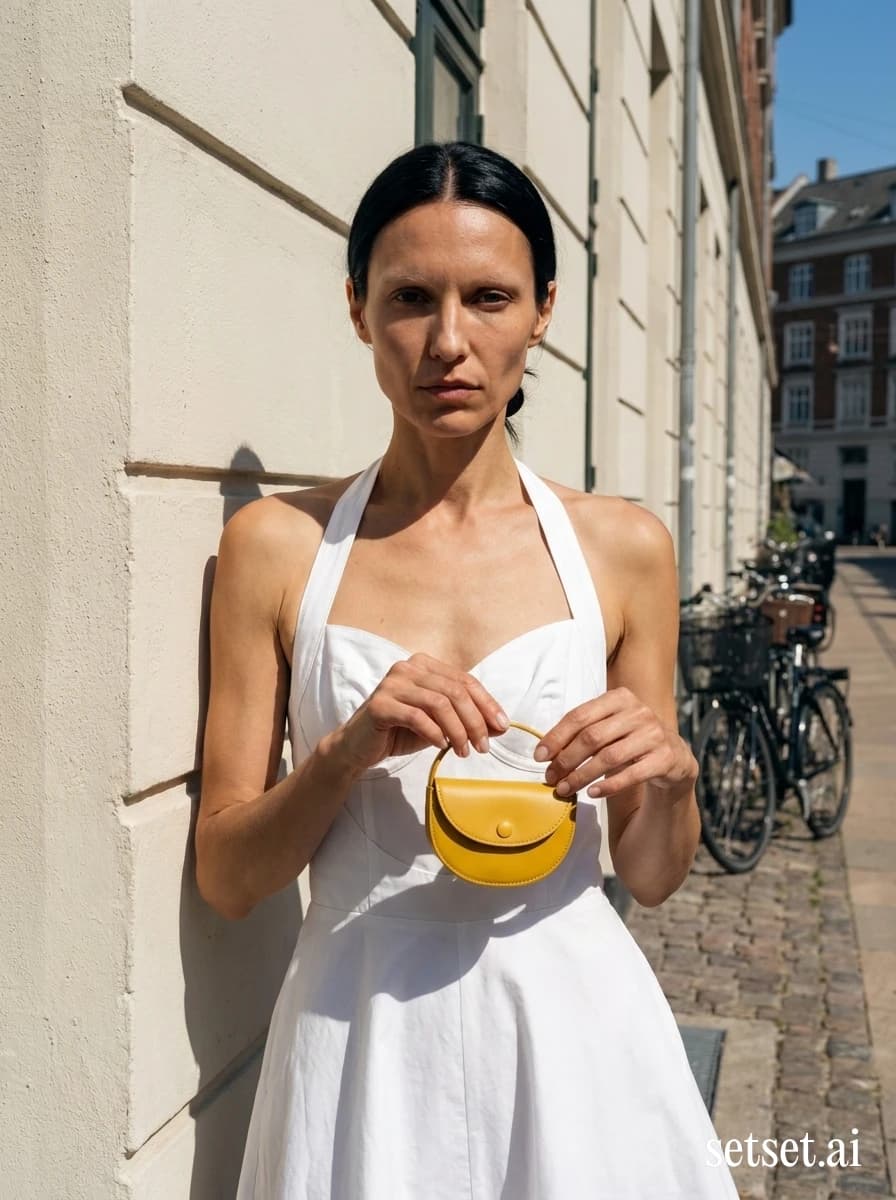
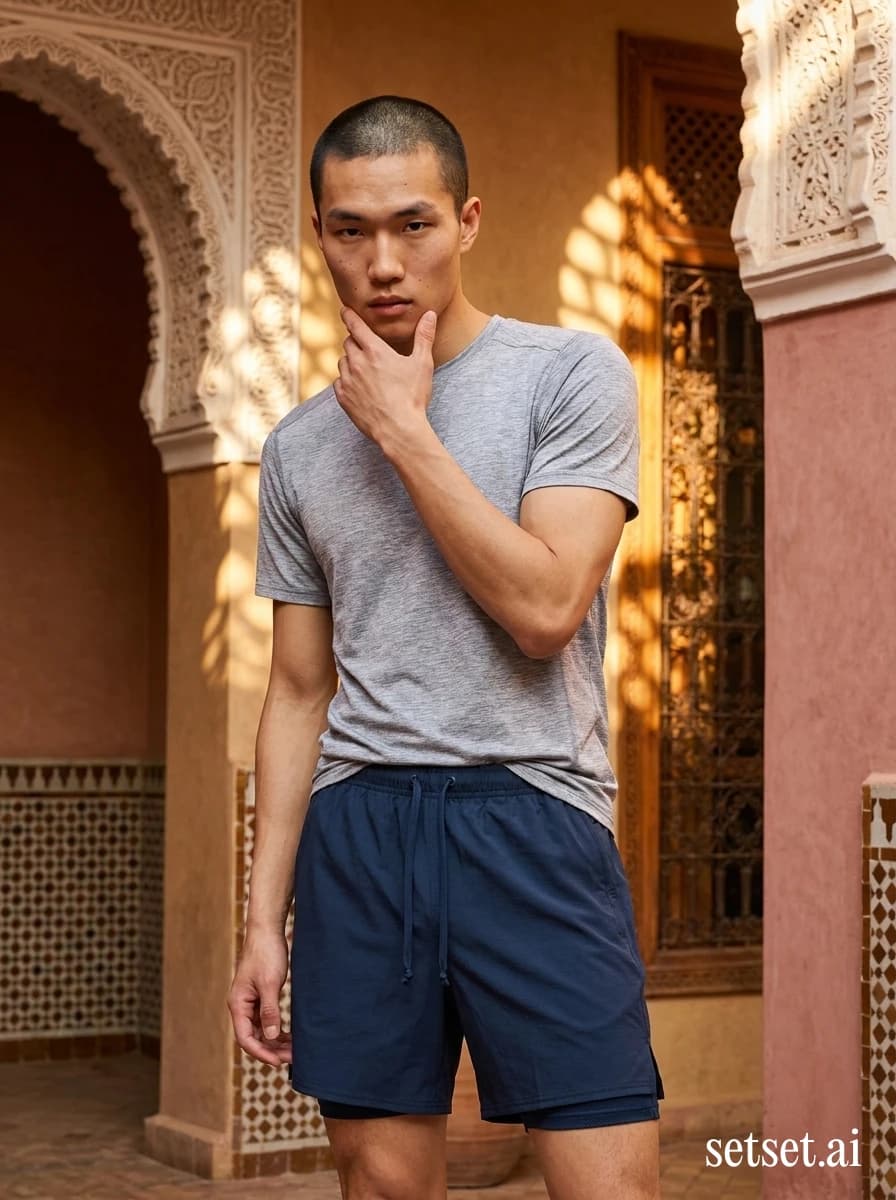
Tokyo, Milan, Copenhagen, Marrakech - one brand direction, localized across markets without a single flight. The derivation layer, not the replacement layer.
What changes with AI photography for creative teams - and what doesn’t
| Stays human - and gains leverage | Gets removed - and won’t be missed |
|---|---|
| Art direction and taste - the brief, the mood, the references. AI platforms worth using take styling references, not prompts, for exactly this reason. | Sample logistics - shipping garments across the world to sit in a studio queue. |
| Casting decisions - which faces and bodies represent the brand, now from a persistent roster instead of whoever was available that day. | Reshoots - wrong angle, discontinued item in frame, late creative change. Regeneration replaces re-booking. |
| The hero shoot - campaign work, lookbooks, brand-defining imagery. If anything, freed budget flows here. | The rationing meeting - deciding which products “deserve” on-model photography, because the budget can’t cover all of them. |
| Quality judgment - approving, rejecting, and pushing the output until it meets the brand’s standard. | The coordination tax - the invisible hours of scheduling, file wrangling, and retouching rounds between every shoot and every launch. |
This matches the broader data: in Adobe’s research, around 80% of creative professionals already use generative AI somewhere in their process - overwhelmingly to keep up with demand, not to remove colleagues. And McKinsey’s analysis of generative AI in fashion frames the opportunity as augmenting creative and content work across the value chain - not as a headcount story.
What this looks like in practice
Happy Socks runs its full PDP catalogue through Setset - roughly 1,500 products and 7,000 images a year. The creative team didn’t shrink; the timeline did. Production that took 3–4 months per season now happens in days, and merchandising decisions moved weeks closer to launch.
Ron Dorff is the budget-reallocation story: the savings on catalogue work funded “Fearless Summer,” a full 90s-Ibiza editorial campaign produced through AI under the team’s art direction - picked up by Women’s Wear Daily, Daily Front Row, and L’Officiel. Less money on undifferentiated volume work, more on brand-defining creative.
TWP Clothing used to ration on-model photography to bestsellers because the per-image cost made anything else irrational. Moving 200 SKUs to AI production (at roughly 70% lower cost) didn’t replace their creative process - it gave every product the visual treatment previously reserved for the top of the catalogue.
Rowing Blazers runs managed production with Setset - the kind of brand where creative identity is the product, working with a partner model where their team directs and ours produces. Across our client base, that adds up to thousands of videos and a steady multiple of that in images - all of it art-directed by the brands’ own people.
The pattern across all of them: the creative team’s fingerprints are on more assets than before, not fewer.
Why taste matters more, not less
When production capacity stops being scarce, what becomes scarce instead? Judgment.
Anyone can now generate a technically competent product image. That is precisely why generic AI imagery is flooding ecommerce - and why shoppers are getting better at spotting it. When volume is cheap, the differentiator shifts entirely to the things AI can’t supply: a coherent visual identity, casting that means something, styling choices that come from knowing the customer, the discipline to reject nine outputs and ship the tenth.
That’s a creative director’s job description. It doesn’t get automated by this technology - it gets amplified by it. The brands that treat AI as a taste-delivery mechanism will look like themselves at 10x the volume. The brands that treat it as a people-removal mechanism will look like everyone else.
Quality is where this becomes concrete. The bar for AI imagery isn’t “impressive for AI” - it’s whether a creative director puts it on a live product page next to their studio work without hesitation. That’s the standard Setset builds for: garment-accurate, identity-consistent, retail-grade imagery and video, with human quality control on every managed delivery.
It’s also why we built Setset without prompts. A creative team shouldn’t have to translate their vision into prompt engineering - they brief the system the way they’d brief a shoot: visual references, styling direction, a curated model roster they cast from. The interface is the philosophy.
An honest note on what does change
It would be dishonest to claim nothing changes. The mix of work shifts. Fewer days are spent on repetitive catalogue coverage - shooting the 400th sock variant against the same white wall - and the retouching queue shrinks. For teams and vendors whose work was mostly that volume layer, that’s a real transition, and pretending otherwise helps nobody.
But the honest version of the story is that the volume layer was already broken: it was being rationed, rushed, outsourced to the lowest bidder, or simply not produced. The demand curve above didn’t leave a future where ten photographers shoot every SKU by hand - it left a future where most products get no imagery investment at all. Additive AI is what makes the alternative future viable: humans directing more creative output than they could ever physically shoot.
Our advice to brands is the same in every conversation: keep whatever sparks joy in your production. Keep the studio day. Keep the models you love. Then point AI at everything the economics never let you do - and judge it, like everything else, by whether it meets your standard.
Frequently asked questions
Will AI replace fashion photographers?+
Not in the brands we work with. Hero shoots, campaigns, and brand-defining photography remain human work - often with more budget, because savings on catalogue volume get reallocated to it. What shrinks is the repetitive volume layer (endless white-background variants, reshoots for small changes), much of which was already being rationed or skipped for cost reasons. Photographers whose work is creative direction and craft gain leverage; the change is in the repetitive production layer.
What does "additive AI" mean in fashion imagery?+
Additive AI means using AI to extend a brand's existing creative production rather than replace it: keeping the core studio shoot and deriving video, localization, additional models, wholesale imagery, and full-catalogue coverage from it. The creative direction stays human; AI removes the per-image production ceiling. It's the opposite of a replacement model, where AI output substitutes for the creative process itself.
Why is demand for product imagery increasing so fast?+
Four compounding drivers: localization (imagery tailored per market and audience), model diversity (every garment on multiple body types and skin tones), video (a measurable conversion lever that most product pages still lack), and faster seasonal drops. Adobe research found content demand has doubled for 96% of marketers, with 71% expecting up to 5x growth - while roughly half of creative teams already struggle to keep up.
Does the creative team stay in control of AI output?+
On a well-designed platform, yes - and it's the main thing to evaluate. Look for art direction through visual references rather than text prompts, persistent model rosters the team casts from, and a review workflow where every asset is approved or rejected against the brand's standard before it ships. If a tool doesn't give the creative team veto power over every image, it's built for volume, not for brands.
Can we keep our existing studio shoots and still use AI?+
That's the model we recommend. Keep the hero shoot - it's where brand identity is made - and use AI for what the economics never allowed: video derived from your existing stills, on-model coverage for the rest of the catalogue, wholesale imagery before samples exist, and fixes (like removing a discontinued item from styling) without a reshoot. The two workflows strengthen each other; the shoot provides the creative direction the AI production follows.
Isn't AI imagery making everything look the same?+
Generic, prompt-driven AI imagery does converge on a same-ish look - that's a real problem in ecommerce today. The counterweight is human taste applied at the direction and review stages: brands that feed AI their own visual identity, casting, and styling standards produce work that looks like them, at volume. When production is cheap, distinctive creative direction becomes more valuable, not less.